Hardware Security Gadgets: Bolster Network Defense by 2027
Discover how hardware security gadgets are becoming indispensable for robust network defense. This post highlights three key devices that will be crucial for protecting your digital assets by 2027, offering enhanced security beyond traditional software solutions.
By: pedropadm2025@gmail.com on agosto 14, 2026
In our increasingly connected world, protecting digital assets is more critical than ever. While software firewalls and antivirus programs are essential, they represent only one layer of defense. To truly safeguard networks against evolving threats, we need to look beyond traditional solutions. By 2027, integrating advanced hardware security gadgets will be non-negotiable for robust network defense. These physical devices offer a foundational layer of protection that software alone cannot provide, creating a formidable barrier against sophisticated cyberattacks.
The Rise of Hardware Security Modules (HSMs)
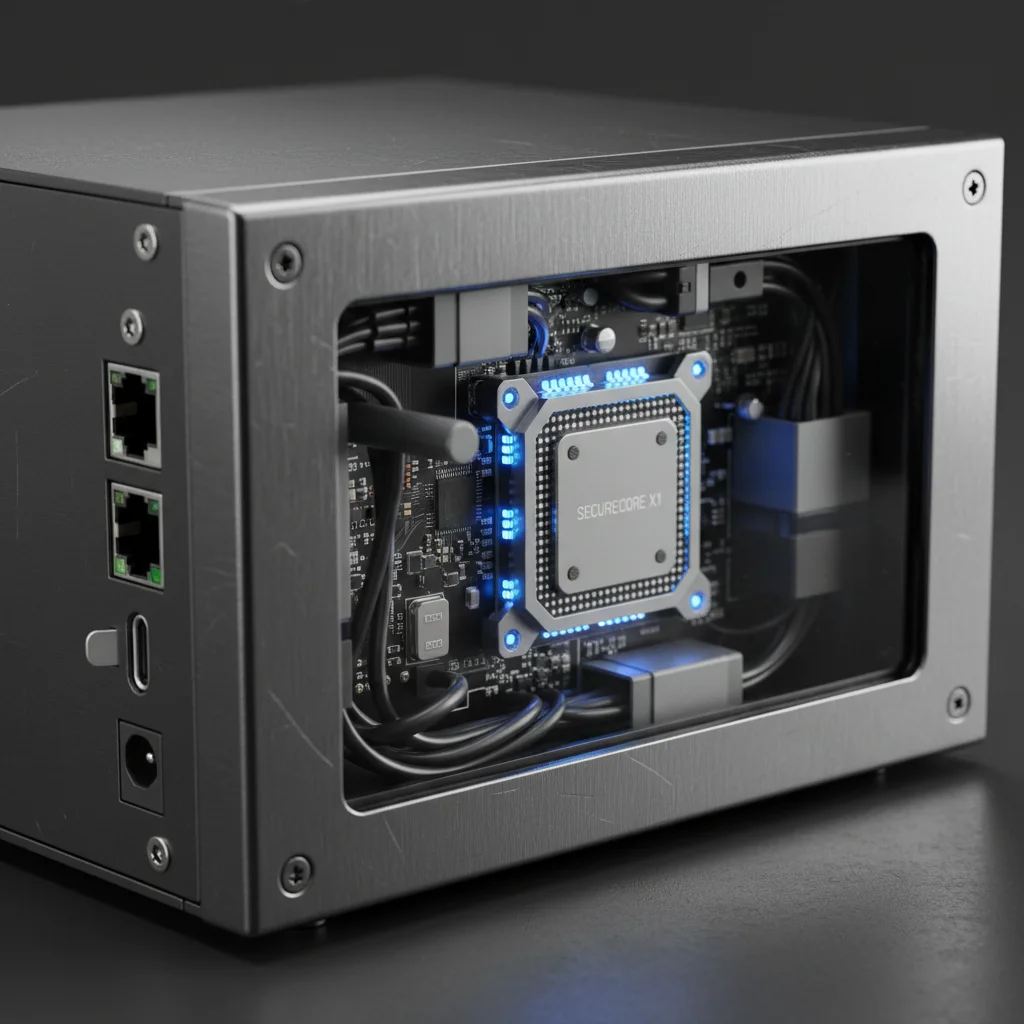
Hardware Security Modules, or HSMs, are physical computing devices that safeguard and manage digital keys for strong authentication and provide cryptoprocessing. Think of them as ultra-secure vaults for your most sensitive cryptographic keys, which are vital for encrypting data, authenticating users, and signing digital documents. Unlike software-based key storage, HSMs are tamper-resistant and often tamper-evident, meaning any attempt to compromise them is either thwarted or immediately detectable. This makes them incredibly valuable for protecting critical infrastructure, financial transactions, and highly sensitive data.
HSMs are designed to meet stringent security standards, offering a dedicated, isolated environment for cryptographic operations. This isolation prevents malicious software from accessing or compromising the keys. As cyber threats become more advanced, especially with the rise of quantum computing threats that could break current encryption, HSMs will play an even more crucial role. They provide a root of trust that extends throughout the entire IT ecosystem, ensuring that cryptographic processes are secure from end to end.
Securing Endpoints with Trusted Platform Modules (TPMs)
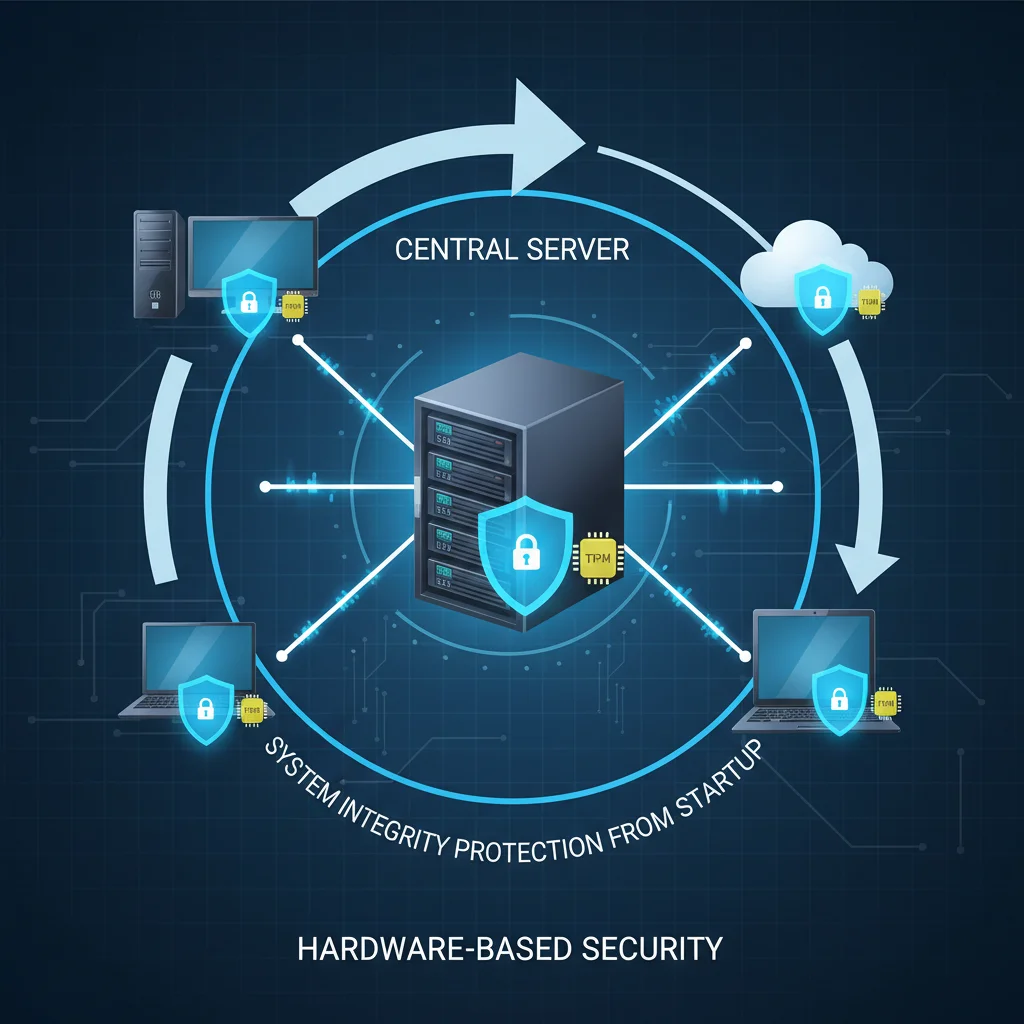
Endpoint security is a major concern, as every device connected to a network can be a potential entry point for attackers. This is where Trusted Platform Modules, or TPMs, come into play. A TPM is a specialized microcontroller that secures hardware by integrating cryptographic keys into devices. It’s essentially a tiny, highly secure chip embedded directly into a computer’s motherboard, providing hardware-based security functions.
TPMs are vital for implementing features like secure boot, which verifies that only trusted software loads during startup, preventing rootkits and other low-level malware. They also generate, store, and protect cryptographic keys, offering a secure environment for sensitive operations. With more devices connecting to corporate networks, from laptops to IoT sensors, TPMs offer a critical layer of trust and integrity. They help ensure that each device can be trusted, reducing the attack surface significantly and making it harder for unauthorized software to gain a foothold. This hardware-level protection is a game-changer for overall network resilience.
The Power of Hardware-Based Network Intrusion Prevention Systems (IPS)
While software-based Intrusion Prevention Systems (IPS) are common, dedicated hardware-based IPS solutions offer superior performance and a more robust defense against network-level attacks. These specialized appliances sit directly on the network, often at critical choke points, inspecting traffic at wire speed for malicious patterns and anomalies. Because they are purpose-built hardware, they can analyze massive volumes of data much faster than software running on general-purpose servers, allowing for real-time threat detection and mitigation.
Hardware IPS devices employ advanced techniques like deep packet inspection, signature-based detection, and behavioral analysis to identify and block a wide range of threats, including denial-of-service attacks, malware propagation, and unauthorized access attempts. Their ability to operate independently of the operating system they protect also means they are less susceptible to OS-specific vulnerabilities. As network speeds increase and attack sophistication grows, the raw processing power and dedicated focus of hardware IPS will be indispensable for maintaining network integrity and availability.
Physical Security Keys for Multi-Factor Authentication
Multi-factor authentication (MFA) is widely recognized as a critical security measure, but not all MFA methods are created equal. SMS-based MFA can be vulnerable to SIM-swapping attacks, and even app-based authenticators can sometimes be compromised. This is why physical security keys, often referred to as FIDO (Fast IDentity Online) keys, are emerging as a superior option for robust authentication. These small USB devices provide a cryptographic second factor that is highly resistant to phishing, man-in-the-middle attacks, and other common credential theft techniques.
Why Physical Security Keys Stand Out
Phishing Resistance: Unlike passwords or codes typed into a website, physical keys cryptographically verify the origin of the login request, ensuring you are interacting with the legitimate service.
Immunity to Malware: Since the cryptographic operations happen on the key itself, malware on your computer cannot steal your authentication factor.
Ease of Use: Simply plugging in or tapping the key is often all that’s needed, making it user-friendly while being highly secure.
Universal Standard: FIDO standards ensure broad compatibility across various services and platforms.
Implementing physical security keys across an organization’s workforce significantly elevates the overall security posture, making it exceedingly difficult for attackers to gain unauthorized access even if they manage to steal user credentials.
The Future of Secure Network Architectures
Looking ahead to 2027, network architectures will increasingly rely on a layered defense strategy where hardware forms the bedrock of security. The integration of advanced hardware security gadgets will move beyond niche applications to become a standard component of enterprise and even small business networks. This shift is driven by the realization that software vulnerabilities can often be exploited at a lower level, making hardware-rooted trust essential. We will see more systems designed with security in mind from the ground up, incorporating these physical safeguards at every possible point.
The convergence of artificial intelligence with these hardware devices will also enhance their capabilities. AI can help hardware IPS systems detect novel threats more effectively, and machine learning can refine the behavioral analysis performed by TPMs to identify anomalies faster. This synergy between intelligent software and robust hardware will create highly resilient networks capable of defending against even the most sophisticated, adaptive cyber adversaries. Preparing for this future means understanding and investing in these foundational hardware technologies today.
Frequently Asked Questions
What is the primary benefit of hardware security over software security? Hardware security offers a foundational layer of protection that is inherently more difficult to tamper with than software. It provides a ‘root of trust’ and physical isolation for critical operations, making it resistant to many software-based attacks.
Are hardware security modules (HSMs) only for large enterprises? While historically used by large organizations, smaller businesses and cloud providers are increasingly adopting HSMs. Cloud-based HSM services make this technology more accessible to a wider range of users, offering enterprise-grade security without the high upfront cost of physical hardware.
Can Trusted Platform Modules (TPMs) prevent all types of malware? TPMs significantly enhance a device’s security by enabling secure boot and protecting cryptographic keys, which helps prevent many forms of low-level malware and rootkits. However, they are part of a broader security strategy and don’t replace the need for antivirus software or good user practices.
How do physical security keys protect against phishing? Physical security keys use cryptographic challenges to verify the legitimacy of the website you are logging into. If an attacker tries to trick you into entering your credentials on a fake site, the key will not authenticate, effectively blocking the phishing attempt.
Is it expensive to implement hardware security solutions? The cost varies widely depending on the solution and scale. While some enterprise-grade hardware can be a significant investment, the cost of a data breach or system compromise often far outweighs the preventative cost. Cloud-based options and consumer-grade devices are making hardware security more affordable.
As we navigate an increasingly complex digital landscape, the importance of robust cybersecurity cannot be overstated. While software solutions remain vital, the future of truly resilient network defense lies in integrating advanced hardware security gadgets. Devices like Hardware Security Modules (HSMs) provide an impenetrable vault for cryptographic keys, while Trusted Platform Modules (TPMs) ensure the integrity of endpoints from the moment they boot up. Hardware-based Intrusion Prevention Systems (IPS) offer real-time, high-performance threat detection, and physical security keys fortify multi-factor authentication against sophisticated attacks. By 2027, these hardware innovations will be the backbone of secure network architectures, offering a foundational layer of trust and protection that software alone cannot achieve. Embracing these technologies now is not just an upgrade; it’s a strategic imperative for safeguarding our digital future. Investing in these physical defenses will provide peace of mind and a significantly stronger posture against the relentless tide of cyber threats.