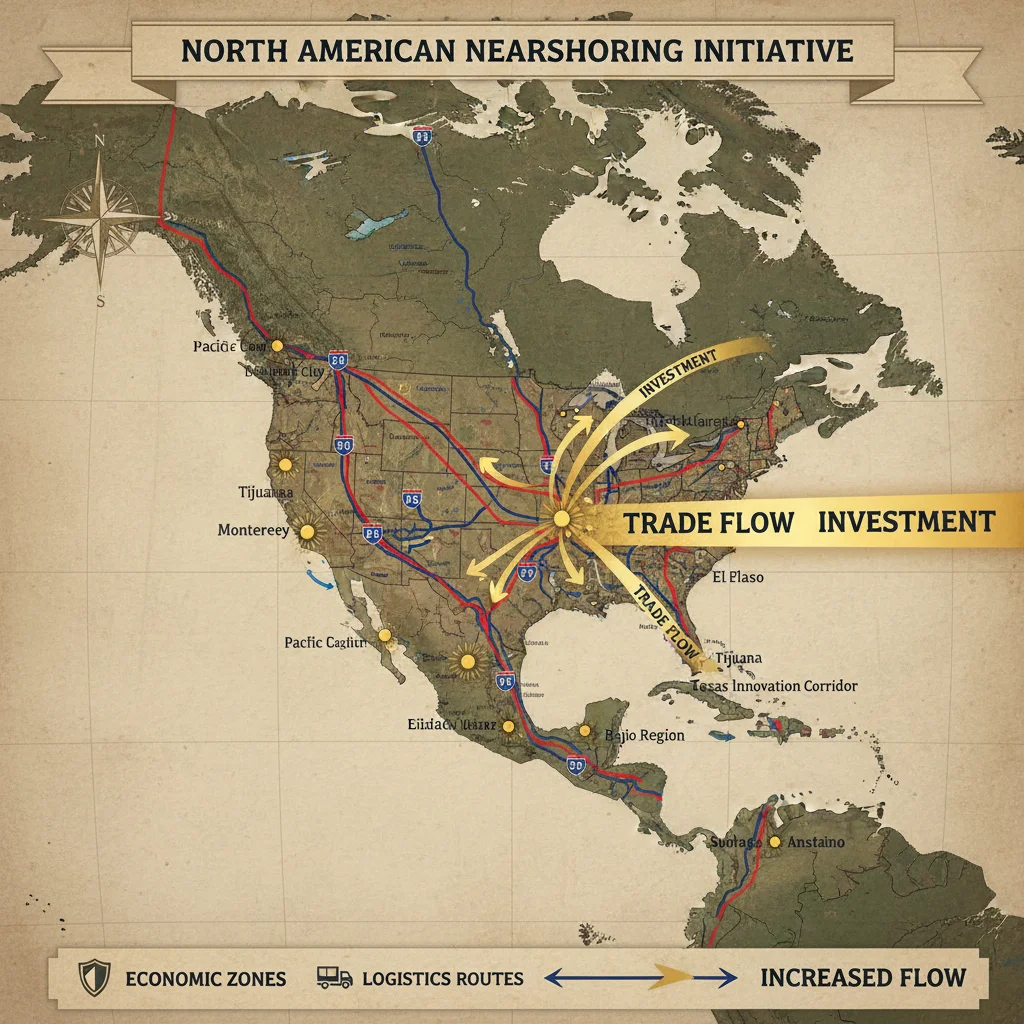
Mexico’s Tech Boom: 15% Growth Driven by Nearshoring
The Mexican tech sector experienced a significant 15% growth in Q1, largely propelled by increasing nearshoring investments. This surge highlights Mexico's growing appeal as a tech hub, attracting foreign capital and fostering innovation across various digital industries.
By: pedropadm2025@gmail.com on agosto 14, 2026
Mexico’s Tech Boom: 15% Growth Driven by Nearshoring
Mexico’s Tech Boom: 15% Growth Driven by Nearshoring
The Mexican tech sector is currently experiencing an impressive surge, marked by a substantial 15% growth in the first quarter of this year. This significant expansion is largely attributed to a powerful trend: nearshoring investments. Companies are increasingly looking to establish or expand their operations closer to North American markets, and Mexico stands out as a prime destination. This strategic shift is not only boosting the local economy but also transforming Mexico into a burgeoning technological hub, attracting global attention and fostering innovation across various digital industries.
Understanding the Nearshoring Phenomenon in Mexico Tech
Nearshoring is a business strategy where companies move their operations to a nearby country, often sharing a border or similar time zones. For many North American firms, Mexico offers an ideal location, bridging geographical proximity with a skilled workforce and competitive operating costs. This trend has been gaining momentum, particularly in the tech industry, as businesses seek to reduce supply chain risks and improve communication efficiency. The benefits extend beyond mere cost savings, encompassing faster time-to-market and enhanced collaboration due to cultural affinities and reduced travel times. This strategic relocation is a key driver behind the robust growth seen in the Mexico tech nearshoring landscape.
The appeal of nearshoring to Mexico is multifaceted. Companies can benefit from lower labor costs compared to their home countries, while still accessing a talented pool of engineers and IT professionals. The established trade agreements, like the USMCA, further facilitate smoother business operations and reduce tariffs, making cross-border transactions more appealing. Furthermore, the political stability and improving infrastructure in key Mexican cities provide a solid foundation for long-term investments. This combination of factors creates a compelling case for businesses considering relocating or expanding their tech operations, solidifying Mexico’s position as a nearshoring leader.
Key Drivers Behind the 15% Q1 Growth
The remarkable 15% growth in the Mexican tech sector during the first quarter didn’t happen by accident; it’s the result of several converging factors. Beyond the general nearshoring trend, specific elements have accelerated this expansion. One significant driver is the increased investment in digital infrastructure across Mexico, including improved internet connectivity and the development of tech parks. These advancements create a more fertile ground for tech companies to operate and innovate. Additionally, government initiatives aimed at fostering entrepreneurship and providing incentives for foreign investment have played a crucial role in attracting capital.
Another powerful force is the growing pool of skilled labor. Mexican universities are increasingly producing graduates in STEM fields, equipped with the knowledge and expertise demanded by the global tech industry. This talent pipeline ensures that companies setting up shop in Mexico can find qualified individuals to fill critical roles. The global demand for software development, IT services, and cybersecurity solutions has also surged, and Mexico is well-positioned to meet these needs. This confluence of infrastructure, supportive policies, and human capital has created a perfect storm for rapid expansion in the Mexican tech landscape.
Emerging Tech Hubs and Investment Hotspots
While Mexico City and Monterrey have traditionally been significant economic centers, the recent tech boom is seeing the emergence of new, vibrant tech hubs across the country. Guadalajara, often dubbed the “Silicon Valley of Mexico,” continues to solidify its reputation as a major player, attracting substantial foreign direct investment. Its ecosystem of universities, incubators, and established tech companies makes it particularly appealing for software development and IT services. However, other cities are also gaining traction, offering unique advantages and specialized niches.
Regional Tech Specializations
Guadalajara: Strong in software development, electronics manufacturing, and IT services. It boasts a mature ecosystem with a rich talent pool.
Monterrey: Known for its industrial strength, it’s increasingly becoming a hub for advanced manufacturing tech, automotive software, and logistics technology.
Querétaro: Attracting investment in aerospace technology, AI, and data analytics, leveraging its strong engineering universities.
Mexico City: Remains a diverse hub for fintech, e-commerce, and digital marketing, due to its large market and access to capital.
These emerging hotspots are not just attracting large corporations but also fostering a dynamic startup scene. Local entrepreneurs are leveraging the increased investment and attention to build innovative solutions, further diversifying the Mexican tech sector. This decentralization of tech activity is a healthy sign of sustainable growth, creating more opportunities and spreading economic benefits across different regions.
Impact on the Mexican Economy and Workforce
The rapid growth of the Mexican tech sector, fueled by nearshoring, is having a profound and positive impact on the broader economy. This expansion translates directly into job creation, offering high-value employment opportunities for a growing number of Mexicans. These aren’t just any jobs; they are roles in software development, data science, cybersecurity, and IT support, which typically offer better wages and career progression than traditional sectors. This upward mobility helps to strengthen the middle class and improve living standards for many families. The influx of foreign investment also stimulates local businesses, from real estate to hospitality, as new companies establish their presence and employees relocate.
Beyond direct employment, the tech boom is also driving innovation and skills development within the country. As international companies bring their expertise and technologies, there’s a natural transfer of knowledge and best practices. This encourages local educational institutions to adapt their curricula to meet industry demands, further enhancing the skills of the future workforce. The demand for specialized tech skills is pushing for more training programs and certifications, creating a continuous cycle of learning and improvement. This dynamic environment is setting Mexico on a path to becoming a more technologically advanced and economically resilient nation, with a workforce that is increasingly competitive on a global scale.
Challenges and Future Outlook for Mexico Tech Nearshoring
While the outlook for the Mexican tech sector driven by nearshoring is overwhelmingly positive, it’s important to acknowledge potential challenges that could influence its future trajectory. One significant hurdle could be the competition for skilled talent. As more companies establish operations, the demand for qualified tech professionals will intensify, potentially leading to wage inflation and talent shortages if the supply doesn’t keep pace. Ensuring a continuous pipeline of skilled graduates and upskilling existing workers will be crucial. Infrastructure development also needs to keep pace with demand, particularly in emerging tech hubs, to support the growing needs of businesses.
Despite these challenges, the future prospects for Mexico tech nearshoring remain bright. The strategic geographical location, coupled with a supportive government and a young, dynamic workforce, positions Mexico favorably for continued growth. Investments in education and digital infrastructure are expected to continue, further solidifying the country’s appeal. Companies seeking resilient supply chains and efficient operational models will likely continue to look towards Mexico. The ongoing digital transformation across industries worldwide means that the demand for tech services will only increase, and Mexico is well-prepared to capture a significant portion of this market. The momentum from the 15% Q1 growth suggests a sustained upward trend for the foreseeable future.
Frequently Asked Questions
What is nearshoring?
Nearshoring is the practice of relocating business operations to a nearby country, often one that shares a border or similar time zone. It aims to reduce costs, improve communication, and enhance supply chain efficiency compared to offshoring to distant locations.
Why is Mexico attractive for tech nearshoring?
Mexico offers geographical proximity to the U.S., a skilled and cost-effective workforce, favorable trade agreements like the USMCA, and a rapidly developing tech infrastructure. These factors combine to make it an ideal destination for companies seeking to optimize their operations.
Which Mexican cities are leading the tech boom?
Guadalajara is widely recognized as a primary tech hub, often called “Silicon Valley of Mexico.” Monterrey, Querétaro, and Mexico City are also significant players, each with growing specializations in various tech sectors.
What types of tech jobs are growing in Mexico?
The demand is high for roles in software development, IT services, cybersecurity, data analytics, artificial intelligence, and embedded systems. As the sector matures, new specialized roles continue to emerge.
What are the main benefits of nearshoring for companies?
Companies benefit from reduced operational costs, faster time-to-market for products, improved communication and collaboration due to similar time zones, and enhanced supply chain resilience by being closer to their main markets.
The 15% growth seen in the Mexican tech sector during the first quarter is a clear indicator of a powerful economic shift, primarily driven by strategic nearshoring investments. This trend highlights Mexico’s increasing prominence as a global tech player, offering a compelling combination of geographical advantage, a burgeoning skilled workforce, and supportive economic policies. Companies are recognizing the immense value of establishing tech operations closer to North American markets, leading to a vibrant ecosystem of innovation and job creation across various Mexican cities.
This expansion is not just about numbers; it represents a transformation in Mexico’s economic landscape, fostering new opportunities for professionals, stimulating local economies, and positioning the nation for sustained technological advancement. While challenges like talent competition and infrastructure demands exist, the overall trajectory points towards continued growth and success. For businesses considering expanding their tech footprint or individuals looking for dynamic career paths, the Mexican tech sector, fueled by nearshoring, presents an exciting and promising future. Embracing these opportunities can lead to significant mutual benefits and contribute to a more interconnected and efficient global tech industry.