New Battery Designs Boost Renewable Energy Efficiency
Discover the groundbreaking advancements in new battery designs that are significantly enhancing renewable energy efficiency. Learn how these innovations are crucial for a sustainable future, offering improved performance and reliability for energy storage solutions.
By: pedropadm2025@gmail.com on agosto 14, 2026
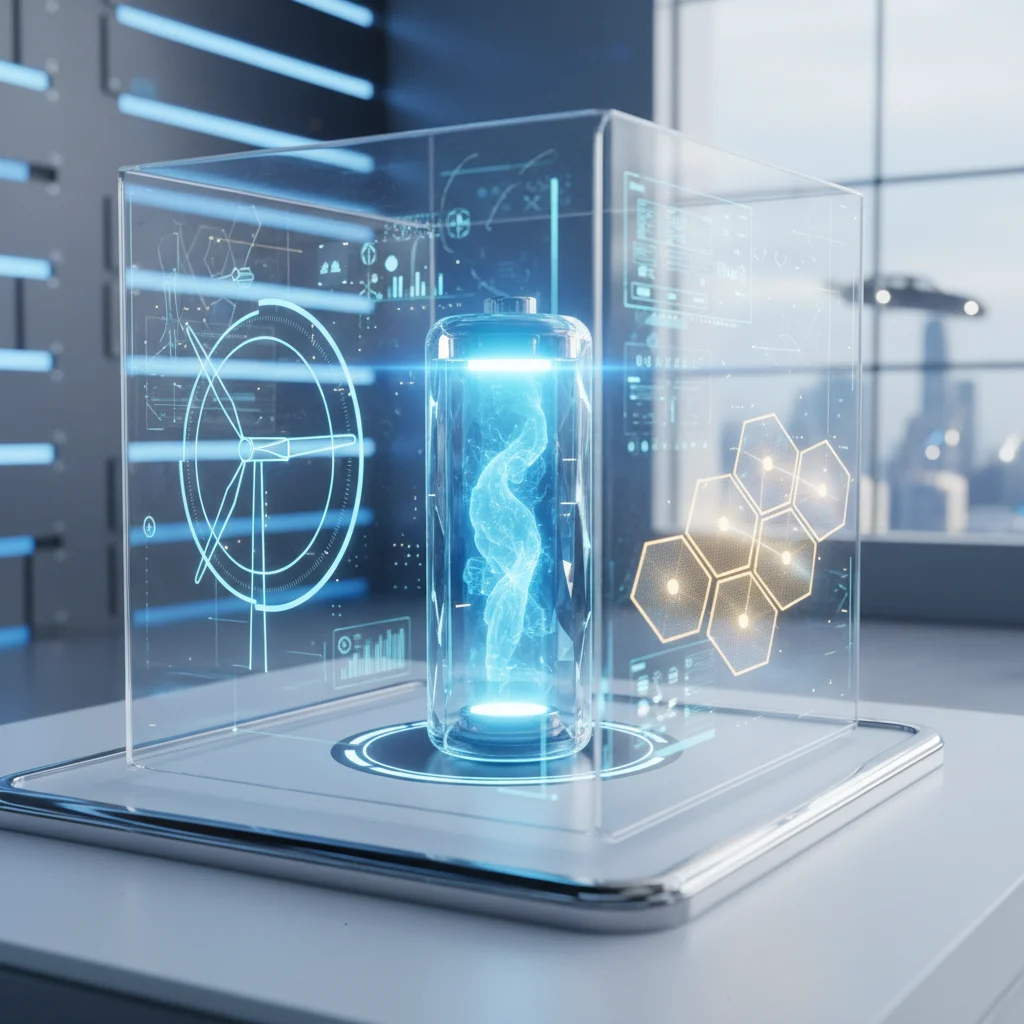
The quest for a sustainable future hinges significantly on our ability to store renewable energy effectively. Excitingly, new battery designs are emerging as game-changers, promising to unlock unprecedented levels of efficiency for solar, wind, and other clean power sources. These advancements are not just incremental improvements; they represent a fundamental shift in how we capture and utilize green energy, making it more reliable and accessible than ever before.
The Critical Need for Enhanced Energy Storage
Renewable energy sources like solar and wind power are inherently intermittent. The sun doesn’t always shine, and the wind doesn’t always blow. This variability presents a significant challenge for integrating them into a stable power grid. Without efficient storage, excess energy generated during peak production times is often wasted, and power shortfalls occur when demand is high but generation is low. This imbalance limits the full potential of renewables and necessitates backup from traditional, often fossil-fuel-based, power plants. Better energy storage solutions are not just an advantage; they are a fundamental requirement for a truly green energy revolution, enabling us to store surplus power and dispatch it precisely when needed.
Current battery technologies, while functional, often struggle with energy density, longevity, and cost-effectiveness for large-scale grid applications. This gap creates an urgent demand for innovation that can overcome these limitations, providing the reliability and scale necessary to support widespread renewable energy adoption. Addressing these challenges through advanced battery solutions will dramatically reduce our reliance on non-renewable sources and help stabilize energy grids globally.
Solid-State Batteries: A Leap Forward in Density and Safety
Solid-state batteries represent one of the most promising frontiers in new battery designs. Unlike traditional lithium-ion batteries that use liquid electrolytes, solid-state batteries employ solid conductive materials. This fundamental change brings several significant advantages. For one, solid electrolytes are non-flammable, drastically reducing the risk of thermal runaway and making these batteries much safer. This safety aspect is particularly crucial for large-scale energy storage systems where many battery cells are packed together.
Beyond safety, solid-state batteries boast a much higher energy density. This means they can store more energy in a smaller and lighter package, which is vital for everything from electric vehicles to grid-scale storage where space can be a premium. The solid electrolyte also allows for simpler battery designs and potentially faster charging rates, as dendrite formation, a common issue in liquid electrolyte batteries that degrades performance over time, is significantly reduced or eliminated. While still in development for widespread commercialization, prototypes show immense potential for revolutionizing energy storage.
Flow Batteries: Scalability and Longevity for Grid Storage
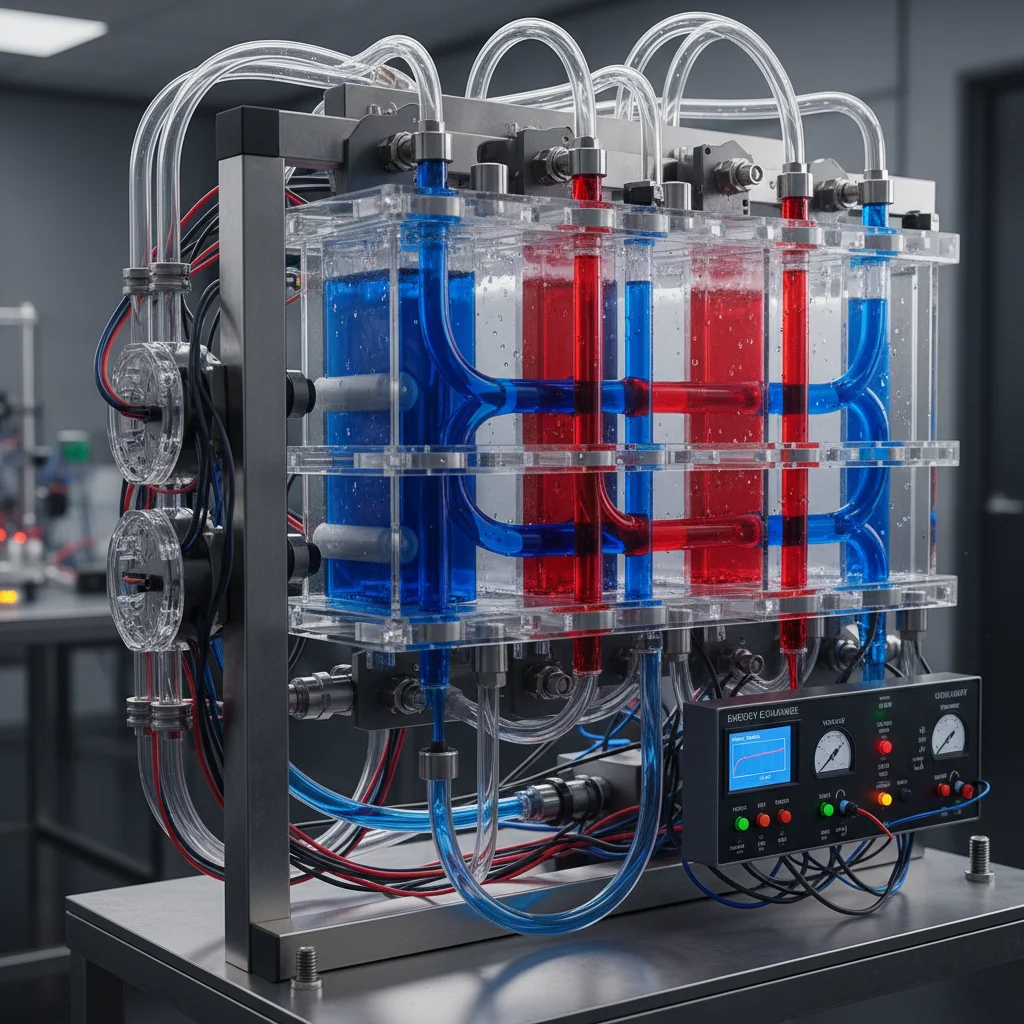
Flow batteries offer a distinct approach to energy storage, particularly well-suited for large-scale, long-duration applications. Instead of storing energy within solid electrodes, flow batteries store energy in liquid electrolyte solutions held in external tanks. These electrolytes are then pumped through a central cell where electrochemical reactions occur, generating or storing electricity. This unique architecture allows for independent scaling of power and energy capacity; you can increase energy by simply enlarging the tanks and adding more electrolyte, while power is scaled by increasing the size of the cell stack.
One of the biggest advantages of flow batteries is their exceptional longevity and cycle life. They can undergo tens of thousands of charge and discharge cycles without significant degradation, making them incredibly durable for grid applications that require constant cycling. Furthermore, they are generally non-flammable and use readily available, often non-toxic, materials like vanadium, which enhances their safety and sustainability profile. These characteristics make them a strong candidate for stabilizing grids powered by intermittent renewable sources.
Enhancing Efficiency Through Advanced Materials and Architectures
The pursuit of greater efficiency in battery technology isn’t solely about new battery designs; it also involves significant advancements in the materials and architectures used within existing and emerging battery types. Researchers are continually exploring novel electrode materials, such as silicon anodes or sulfur cathodes, which can significantly increase energy density compared to traditional graphite and lithium metal oxides. These materials offer higher theoretical capacities, meaning they can hold more lithium ions and thus more energy per unit mass.
Innovative Material Approaches
Silicon Anodes: Offer up to ten times the theoretical capacity of graphite, but face challenges with volume expansion during cycling. New binders and nanostructures are addressing this.
Lithium-Sulfur Batteries: Boast high energy density and use abundant sulfur, but struggle with cycle life and polysulfide shuttle effect. Advanced electrolytes and separators are key to their improvement.
Cathode Design: Developing nickel-rich and cobalt-free cathodes reduces reliance on critical raw materials and can improve stability and energy density.
Beyond materials, innovative cell architectures, such as 3D electrodes and advanced packaging techniques, are also playing a crucial role. These designs aim to optimize ion and electron transport within the battery, reducing internal resistance and improving overall power delivery and charging speed. These combined material and architectural improvements are critical for pushing the boundaries of what batteries can achieve.
The Role of AI and Machine Learning in Battery Development
The development of new battery designs is being dramatically accelerated by the integration of artificial intelligence (AI) and machine learning (ML). These powerful computational tools are transforming every stage of battery research, from discovering novel materials to optimizing battery performance and predicting lifespan. Traditional trial-and-error methods for material discovery are incredibly time-consuming and expensive. AI algorithms can sift through vast databases of chemical compounds and predict their properties with remarkable accuracy, identifying promising candidates for electrodes and electrolytes much faster than human researchers ever could.
Furthermore, AI and ML are essential for optimizing battery management systems. By analyzing real-time data from battery operation, these systems can predict degradation patterns, optimize charging and discharging cycles to extend battery life, and even identify potential safety issues before they become critical. This predictive capability not only enhances efficiency but also improves the reliability and safety of battery installations, especially in large-scale renewable energy projects. This intelligent approach to battery development is crucial for unlocking the next generation of energy storage solutions.
Frequently Asked Questions
What makes new battery designs more efficient?
New battery designs achieve higher efficiency through innovations like solid-state electrolytes for increased energy density and safety, and flow battery architectures for scalable, long-duration storage. Advanced materials and AI-driven optimization also play crucial roles in minimizing energy loss and maximizing performance.
How do solid-state batteries differ from traditional lithium-ion batteries?
Solid-state batteries use a solid electrolyte instead of the liquid electrolyte found in traditional lithium-ion batteries. This change improves safety by eliminating flammable liquids and allows for higher energy density, meaning more power in a smaller package.
Are flow batteries suitable for electric vehicles?
While flow batteries excel at large-scale, stationary energy storage due to their scalability and longevity, their size and the need for external electrolyte tanks generally make them less suitable for electric vehicles, which require compact and lightweight solutions.
What is the typical efficiency gain expected from these new technologies?
Many new battery designs aim for significant efficiency gains, often cited as potentially 20% to 30% or more compared to current commercial technologies, especially in terms of energy density and cycle life for grid-scale applications.
When can we expect widespread adoption of these advanced batteries?
Widespread adoption of technologies like solid-state batteries for mainstream applications is still several years away, with many experts predicting significant commercial availability between 2025 and 2030. Flow batteries are already in use for specific grid projects, with increasing deployment expected.
The innovations in renewable energy technology, particularly concerning new battery designs, are charting a clear path toward a more sustainable and energy-secure future. From the enhanced safety and energy density of solid-state batteries to the unparalleled scalability and longevity of flow batteries, these advancements are directly addressing the critical challenges of renewable energy intermittency. The integration of advanced materials and the transformative power of AI and machine learning are further accelerating this progress, pushing the boundaries of what is possible in energy storage.
These developments are not just technical marvels; they are essential building blocks for a global energy transition. As these technologies mature and become more cost-effective, they will enable a more robust and reliable grid, significantly reduce our carbon footprint, and provide energy access to more communities worldwide. Keeping an eye on these evolving battery technologies is crucial for anyone interested in the future of energy and environmental sustainability. The journey towards a fully renewable world is complex, but with these groundbreaking battery innovations, we are undoubtedly taking giant leaps forward.