OLED vs. Mini-LED: Mobile Display Evolution Compared
Dive into the fascinating world of mobile display technology as we compare OLED vs. Mini-LED. This article breaks down the key differences, advantages, and disadvantages of these leading screen types, helping you understand which offers the best visual experience for your devices.
By: Michael Sete on agosto 14, 2026
The world of mobile technology is constantly evolving, and at the forefront of this innovation are the displays we interact with daily. When considering the latest high-end smartphones and tablets, two display technologies frequently come up in conversation: OLED and Mini-LED. Understanding the nuances of an OLED Mini-LED comparison is crucial for anyone looking to make an informed decision about their next device, as each offers a distinct visual experience.
These advanced screen types have significantly pushed the boundaries of what’s possible in terms of picture quality, color accuracy, and overall viewing pleasure. From vibrant colors to intricate detail, both OLED and Mini-LED technologies bring impressive capabilities to our pockets and hands. We’ll delve into how these technologies work, their individual strengths, and where they might fall short, providing a clear picture of their impact on leading mobile devices today.
Understanding OLED Display Technology
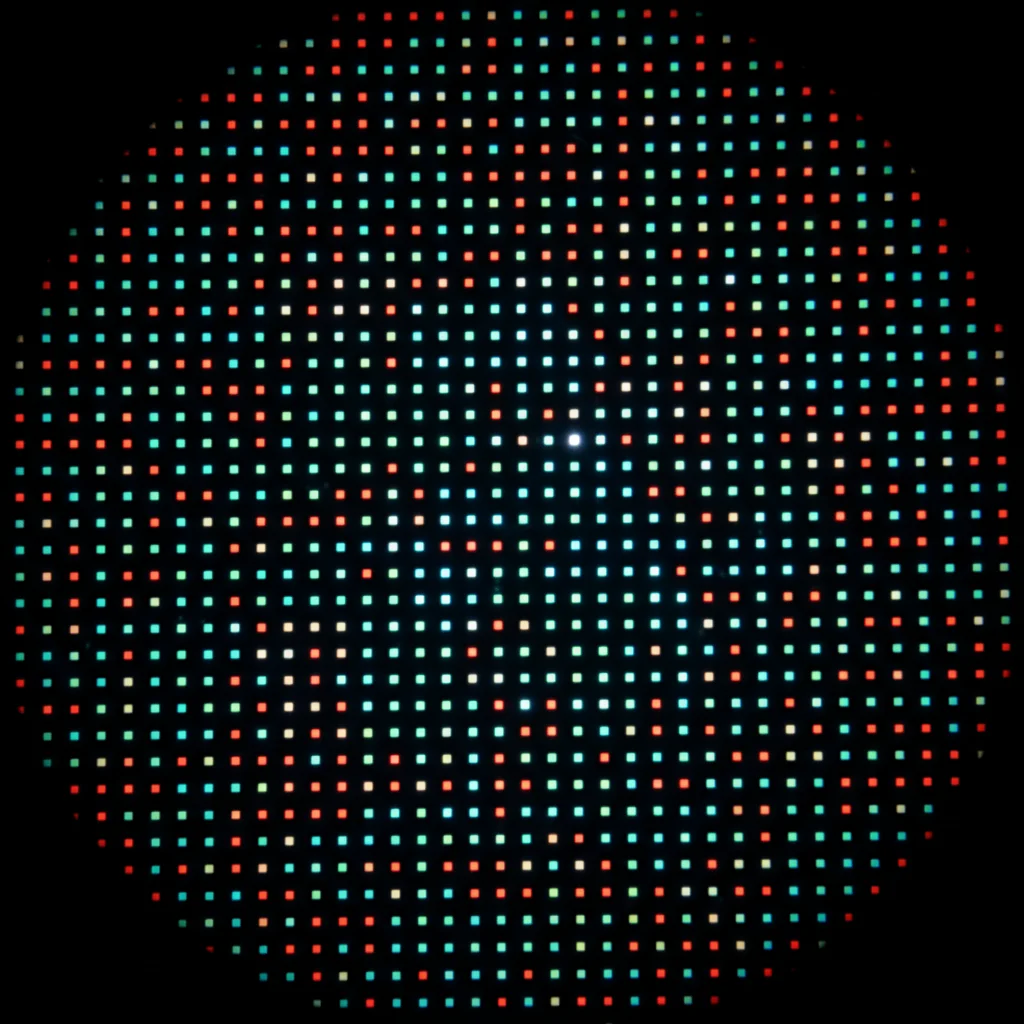
Organic Light-Emitting Diode, or OLED, technology has revolutionized how we perceive mobile displays. Unlike traditional LCD screens that require a separate backlight, each pixel in an OLED display generates its own light. This self-emissive property is the fundamental difference that gives OLED its distinct advantages, allowing for incredible control over brightness and color at a pixel level. When a pixel needs to be black, it simply turns off, resulting in true blacks and an infinite contrast ratio that no backlit display can truly match.
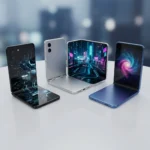
This individual pixel control also contributes to OLED’s impressive response times, making motion appear smoother and more fluid, which is particularly beneficial for fast-paced content like gaming or high-definition video. The thinness and flexibility of OLED panels are also significant benefits, enabling innovative device designs, including foldable phones. While OLED has many strengths, it’s also important to consider aspects like potential burn-in, though this issue has been significantly mitigated in recent years with advancements in technology and software.
Exploring Mini-LED Display Technology
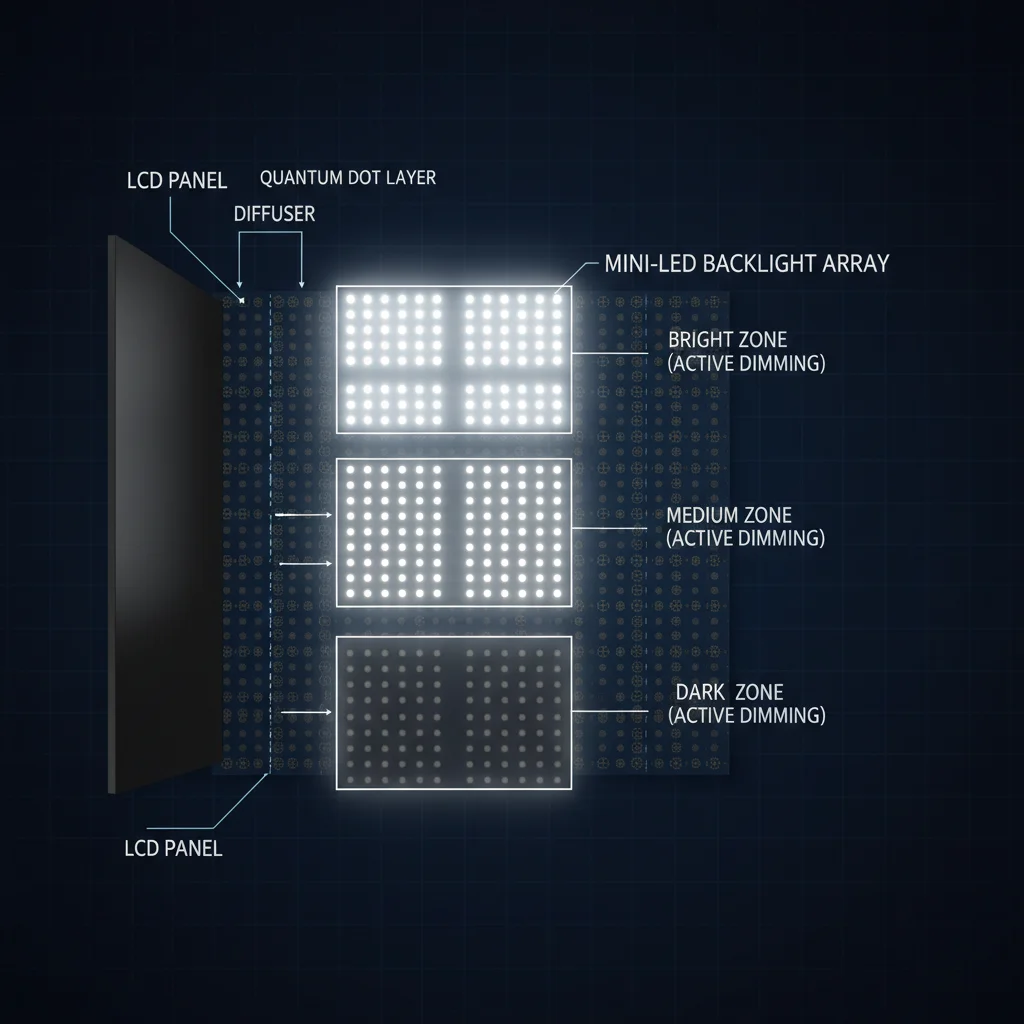
Mini-LED technology, while often compared to OLED, operates on a fundamentally different principle. It still relies on an LCD panel for image creation, but it replaces the traditional, larger LED backlights with thousands of much smaller LEDs. These tiny LEDs are grouped into hundreds or even thousands of local dimming zones, allowing for far more precise control over the backlight than conventional LCDs. This precision enables Mini-LED displays to achieve significantly higher contrast ratios and deeper blacks than standard LCDs, though not quite reaching the infinite contrast of OLED.
The main goal of Mini-LED is to bridge the gap between traditional LCDs and OLEDs, offering many of the benefits of OLED, such as improved contrast and HDR performance, while often at a lower cost and without the same concerns about burn-in. Devices featuring Mini-LED displays typically boast exceptional brightness levels, making them ideal for viewing content in brightly lit environments and for displaying HDR content with stunning impact. The technology represents a significant leap forward for LCD-based screens, pushing their performance to new heights.
Key Differences in Visual Experience
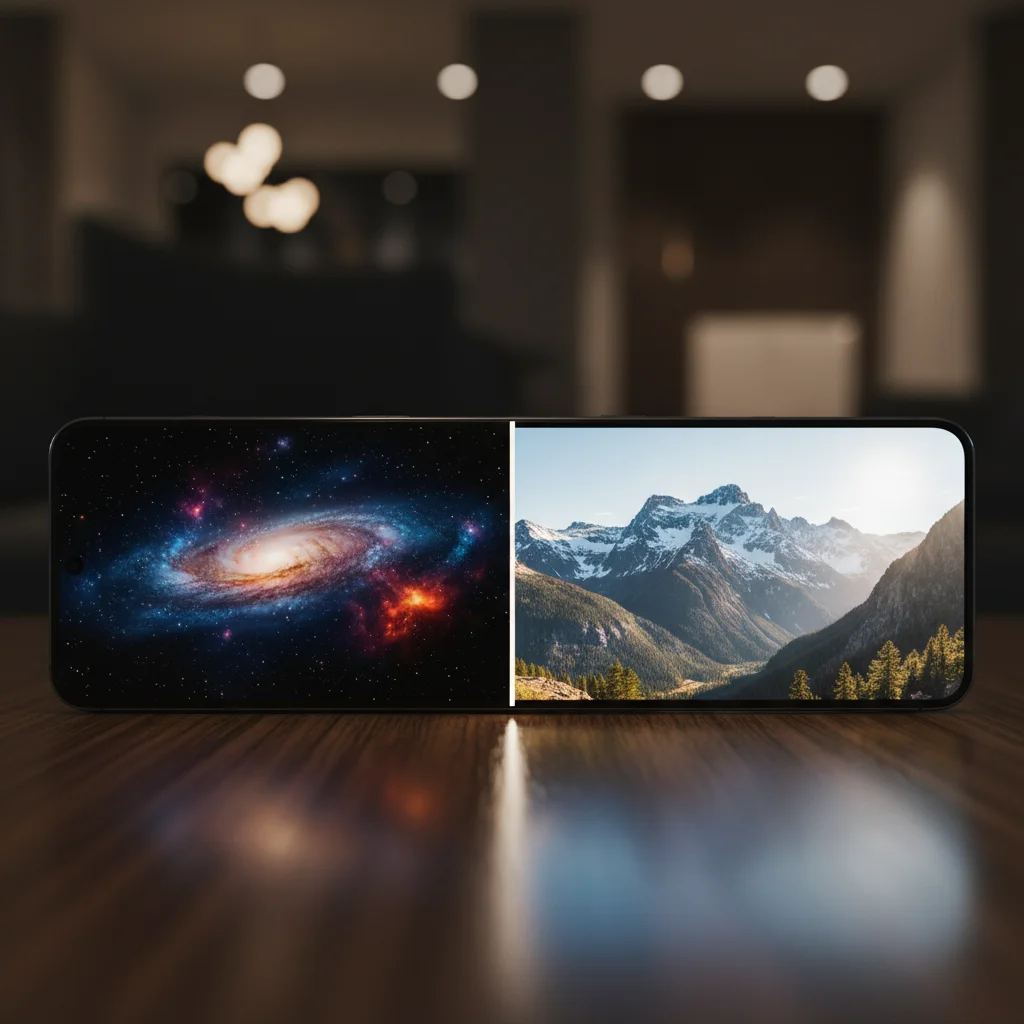
The visual experience between OLED and Mini-LED displays, while both excellent, presents distinct characteristics that cater to different preferences and use cases. OLED’s ability to achieve perfect black levels means that scenes with high contrast, such as a starfield against a dark sky, appear incredibly realistic and immersive. Colors on OLED screens are often described as more vibrant and punchy, thanks to the individual pixel illumination. This leads to a picture with exceptional depth and clarity, particularly in darker scenes.
Mini-LED, on the other hand, excels in overall brightness and can often deliver a more impactful HDR experience due to its higher peak luminance. While it can’t match OLED’s true blacks, its sophisticated local dimming zones significantly reduce backlight bleed and improve contrast compared to older LCDs. Some users might find Mini-LED’s brightness more comfortable for prolonged viewing in bright conditions, and its color reproduction is also highly accurate, though perhaps not as saturated as some OLED panels. The choice often comes down to prioritizing absolute blacks and vibrant colors versus extreme brightness and robust HDR performance.
Performance in Leading Devices: An OLED Mini-LED Comparison
When we look at leading mobile devices, the choice between OLED and Mini-LED often reflects a manufacturer’s design philosophy and target audience. High-end smartphones, for instance, predominantly feature OLED displays. This is largely due to OLED’s ability to offer a thinner panel, greater flexibility for curved or foldable designs, and the unparalleled contrast that enhances the mobile viewing experience significantly. Users consistently praise OLED for its deep blacks and vivid colors, which make photos, videos, and apps truly pop on a small screen.
Conversely, Mini-LED has found a strong foothold in larger mobile devices like tablets and some high-end laptops. Here, the emphasis on extreme brightness, excellent HDR capabilities, and the reduced risk of burn-in over large, static elements makes Mini-LED a compelling choice. For tasks like professional content creation, gaming, or simply enjoying movies on a larger display, Mini-LED offers a powerful and visually stunning experience. Both technologies deliver premium performance, but their application often varies based on device size and intended use, showcasing their unique strengths in an OLED Mini-LED comparison.
Future Trends and Innovations
The landscape of mobile display technology is far from static, with both OLED and Mini-LED continuing to evolve rapidly. For OLED, advancements are focused on increasing panel longevity, improving peak brightness without sacrificing black levels, and developing more efficient power consumption. We can expect to see even more flexible and durable OLED panels, paving the way for new form factors and interactive experiences. Research into tandem OLED stacks, which layer multiple emissive layers, aims to significantly boost brightness and lifespan, addressing some of the historical limitations of the technology.
Mini-LED technology is also pushing its boundaries, with manufacturers striving to pack even more, smaller LEDs into their backlights, increasing the number of local dimming zones. This will further refine contrast and reduce potential ‘blooming’ effects around bright objects on dark backgrounds. Developments in quantum dot technology are also being integrated with Mini-LED to enhance color purity and efficiency. The competition between these two display types is driving innovation, ultimately benefiting consumers with ever-improving visual quality and performance in their mobile devices. The future promises even more stunning and immersive displays.
Frequently Asked Questions
What is the main advantage of OLED over Mini-LED?
The primary advantage of OLED is its ability to achieve perfect black levels because each pixel can turn itself completely off. This results in an infinite contrast ratio, making images appear incredibly deep and vibrant, especially in dark scenes.
Does Mini-LED have better brightness than OLED?
Generally, yes. Mini-LED displays often achieve significantly higher peak brightness levels than OLED panels. This makes them excellent for viewing in brightly lit environments and for delivering a more impactful High Dynamic Range (HDR) experience.
Is ‘burn-in’ still a concern with modern OLED displays?
While burn-in (image retention) was a concern with older OLED technology, it has been significantly mitigated in modern OLED displays through software algorithms and hardware improvements. For typical mobile device usage, it’s a very rare occurrence.
Which display technology is better for battery life?
The impact on battery life can vary. OLED can be more power-efficient when displaying darker content because black pixels consume no power. However, Mini-LED can be more efficient when displaying very bright, full-screen content due to its efficient backlight system.
Are Mini-LED displays as thin as OLED displays?
OLED panels are inherently thinner and more flexible because they don’t require a separate backlight layer. While Mini-LED has enabled much thinner LCDs, they typically cannot match the extreme thinness and flexibility of OLED panels.
Navigating the advanced features of modern mobile devices often comes down to understanding the core technologies that power them. Our OLED Mini-LED comparison has highlighted that both display types offer exceptional visual performance, but they achieve it through different means and excel in different areas. OLED, with its self-emissive pixels, delivers unparalleled contrast and vibrant colors, making it a favorite for high-end smartphones and immersive viewing experiences. Mini-LED, utilizing a sophisticated local dimming backlight, offers superior brightness and robust HDR performance, often finding its niche in larger mobile devices like tablets and professional monitors.
Ultimately, the ‘better’ technology depends on your personal priorities and how you use your device. If true blacks and vivid, saturated colors are paramount, OLED is likely your preferred choice. If extreme brightness, excellent HDR capabilities, and a focus on larger screen formats without burn-in concerns are more important, Mini-LED will impress. Both technologies are continuously evolving, promising even more breathtaking visual experiences in the future. As consumers, staying informed about these innovations empowers us to choose devices that perfectly match our viewing needs and preferences, ensuring every interaction with our mobile screens is a truly spectacular one.