Top 3 Foldable Phones: Performance & Durability Reviewed
Dive into our comprehensive review of the top 3 foldable phones this year. We break down their performance, assess their durability, and highlight key features to help you choose the best flexible smartphone for your needs.
By: Michael Sete on agosto 14, 2026
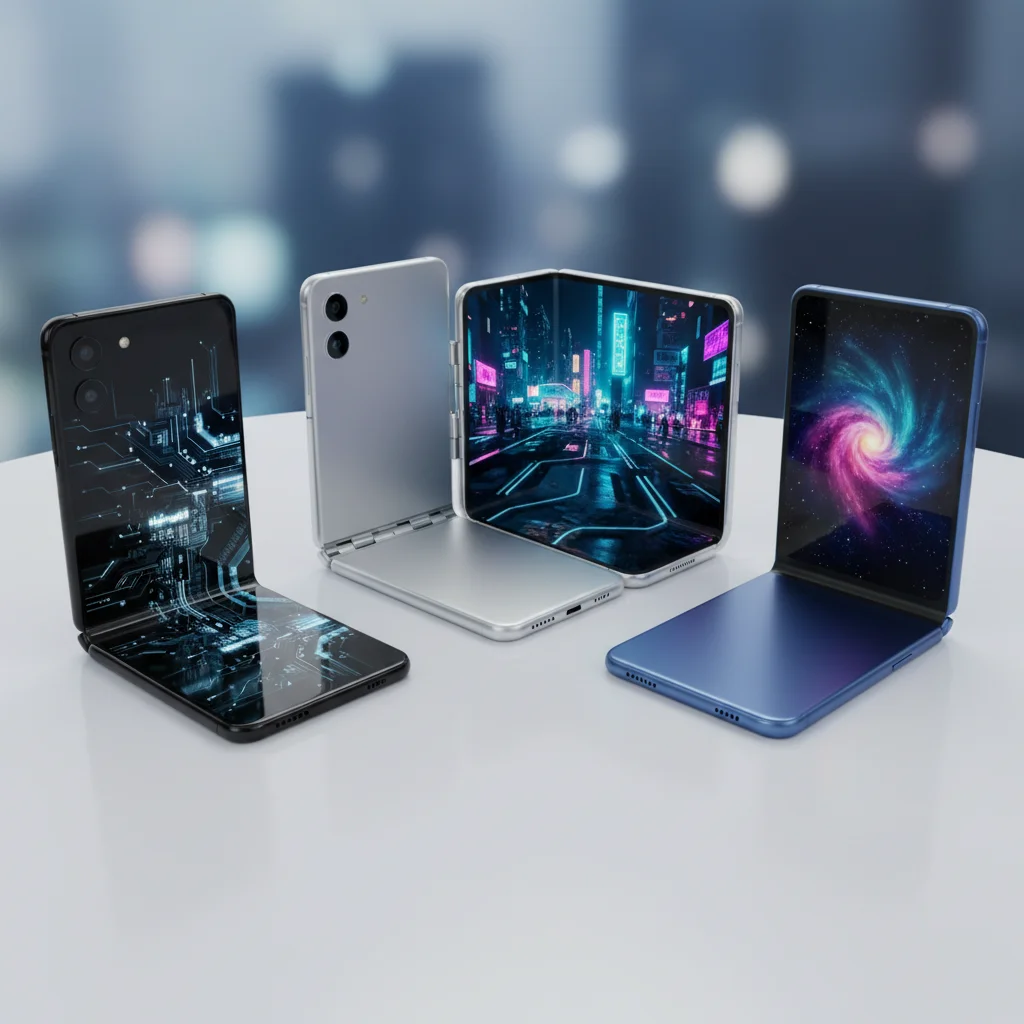
The world of smartphones is constantly evolving, and few innovations have captured our imagination quite like foldable phones. These devices offer a unique blend of a compact form factor when closed and an expansive screen when opened, truly giving users the best of both worlds. This year, the competition among the top foldable phones has intensified, with manufacturers pushing boundaries in design, performance, and crucial durability. Choosing the right one can be a challenge, given the significant investment involved and the variety of options now available on the market.
Our goal today is to provide a detailed comparison of the top 3 foldable phones that stand out in terms of their overall performance and long-term durability. We’ll dive deep into what makes each of these devices special, examining their processors, camera systems, battery life, and, most importantly, how well they’re built to withstand daily use. By the end of this comprehensive guide, you’ll have a clear understanding of which foldable phone might be the perfect fit for your lifestyle and technological needs.
Understanding Foldable Phone Technology and Durability
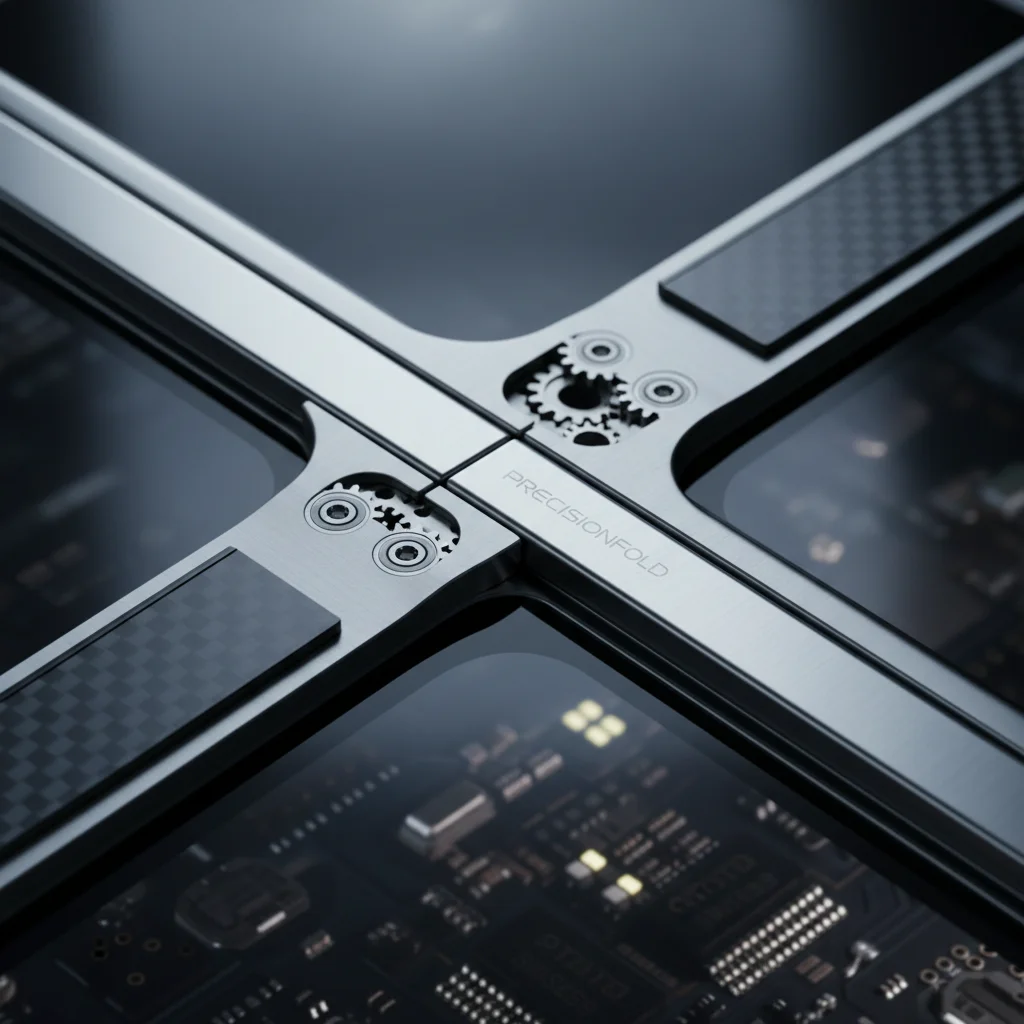
Foldable phones represent a significant leap in mobile technology, moving beyond the traditional slab design we’ve known for decades. At their core, these devices feature flexible displays that can bend without breaking, thanks to advanced materials like ultra-thin glass and sophisticated polymer layers. This flexibility is paired with an intricate hinge mechanism, which is arguably the most critical component for both functionality and durability. The hinge allows the phone to open and close smoothly, protecting the delicate screen when folded and providing a flat, stable surface when unfolded.
Durability in foldable phones is a complex topic. Early models faced challenges with screen creasing, dust ingress, and hinge longevity. However, recent generations have made remarkable strides. Manufacturers have engineered more robust hinges, often incorporating brushes or smaller gaps to prevent dust entry. The displays themselves have also improved, becoming more resilient to scratches and repetitive folding. While no phone is indestructible, the latest top foldable phones are designed to withstand tens of thousands, if not hundreds of thousands, of folds, offering users greater peace of mind.
Performance Powerhouses: Speed and Efficiency
When you invest in a premium smartphone, especially a cutting-edge foldable, you expect top-tier performance. The top foldable phones this year certainly deliver on that front, packing the latest and most powerful processors available. These chipsets ensure that everything from opening apps to playing graphics-intensive games runs smoothly and without lag. Multitasking, a key advantage of the larger foldable screen, also benefits greatly from these powerful internals, allowing users to run multiple applications side-by-side seamlessly.
Beyond raw processing power, efficiency is also a major consideration. Modern processors are designed not only for speed but also for optimizing battery life. This means that even with their large, power-hungry displays, these foldable devices can often last a full day on a single charge under typical usage. The integration of advanced RAM and optimized software further contributes to a fluid and responsive user experience, making these phones not just flexible, but incredibly capable daily drivers for demanding tasks and entertainment.
Camera Capabilities Across the Top Foldable Phones
Photography has become a central feature of modern smartphones, and foldable phones are no exception. While early foldable models sometimes compromised on camera quality due to design constraints, the latest top foldable phones boast impressive camera systems that rival their traditional flagship counterparts. Manufacturers have found innovative ways to integrate high-quality sensors and advanced optical stabilization into these flexible devices, ensuring that users don’t have to sacrifice photo and video quality for the unique form factor.
What’s particularly exciting about foldable phone cameras is the creative flexibility they offer. The ability to partially fold the phone allows for unique shooting angles, acting as its own tripod for stable shots or hands-free video calls. Many also feature advanced computational photography, leveraging the powerful processors to enhance images in various lighting conditions. Whether you’re capturing stunning landscapes, detailed portraits, or high-definition video, these devices provide a versatile and powerful photographic tool.
Battery Life and Charging Innovations
Battery life is always a critical factor for any smartphone user, and it becomes even more important with devices that feature large, power-hungry displays like foldable phones. The top foldable phones of this year have made significant advancements in this area. While their unique designs present challenges for fitting large battery cells, engineers have optimized internal layouts to include batteries that can comfortably power the device through a full day of moderate to heavy use. This often involves using dual battery setups, one in each half of the phone, to maximize capacity within the available space.
Beyond raw capacity, charging technology has also seen rapid development. These foldable devices typically support fast wired charging, allowing users to quickly top up their battery when time is short. Many also offer convenient wireless charging, and some even include reverse wireless charging, which lets you power up other compatible accessories like earbuds. These innovations ensure that despite their cutting-edge form factor, users aren’t left constantly searching for an outlet, providing a practical and reliable mobile experience.
Software Experience and User Interface Adaptations
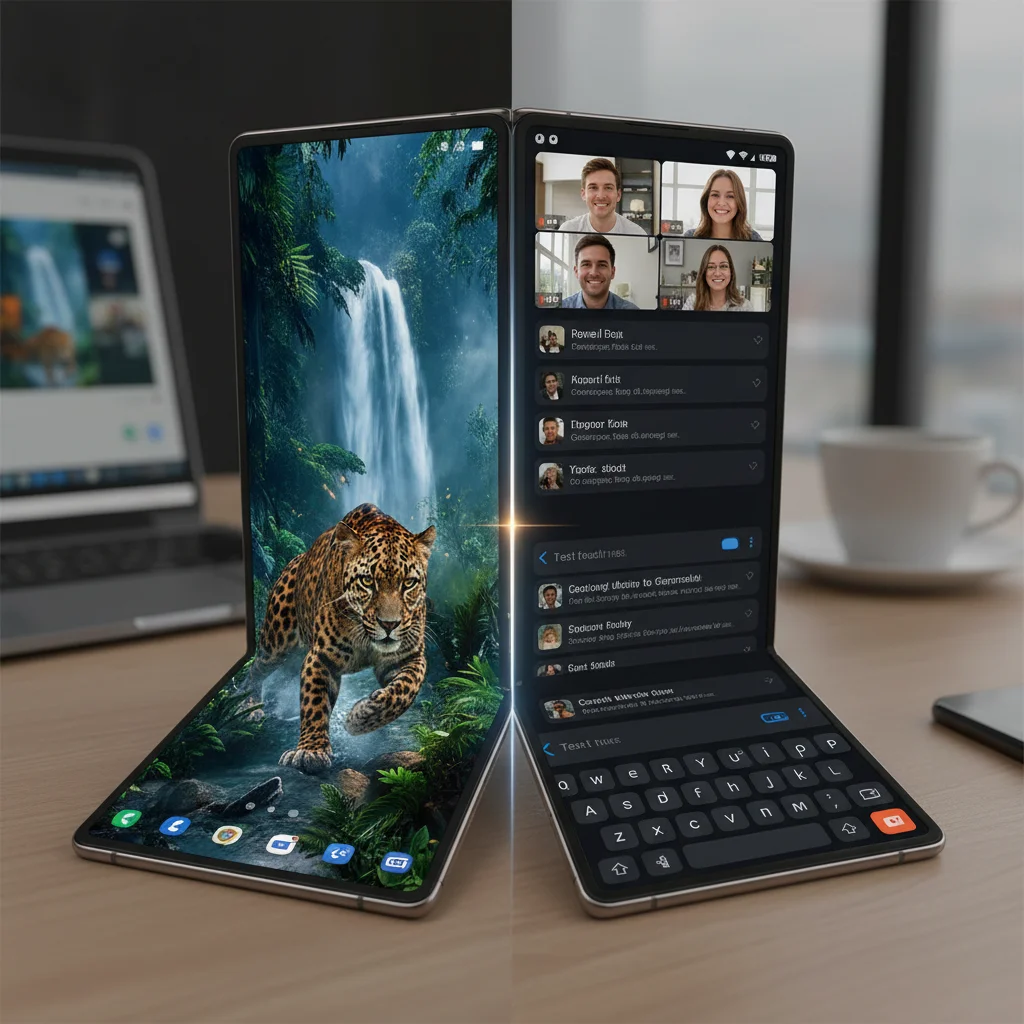
The hardware of foldable phones is undoubtedly impressive, but the software experience is what truly brings these devices to life. Manufacturers have worked closely with operating system developers to create user interfaces that seamlessly adapt to the unique folding capabilities. This means that apps can fluidly transition between the smaller cover screen and the larger unfolded display, offering different layouts and functionalities depending on the phone’s state. For instance, you might check notifications on the cover screen, then unfold the device to reply to messages or browse the web on a more expansive canvas.
Key Software Enhancements
Multi-Window Functionality: The larger internal screen is perfect for running multiple apps side-by-side, enhancing productivity.
Flex Mode: When partially folded, the screen often splits, allowing the top half to display content and the bottom half to act as a control panel, ideal for video calls or photography.
Optimized Apps: Many popular applications have been updated to take full advantage of the foldable form factor, offering redesigned interfaces for a better user experience.
Seamless Transitions: The software ensures that whatever you’re doing on the smaller screen picks up exactly where you left off when you unfold the device.
These software adaptations are crucial for making foldable phones feel intuitive and truly useful, moving beyond a mere novelty to a genuinely enhanced computing experience. The continuous refinement of these interfaces ensures that users can maximize the potential of their flexible screens.
Frequently Asked Questions
Are foldable phones durable enough for everyday use?
Yes, modern foldable phones have significantly improved in durability. Manufacturers have engineered stronger hinges and more resilient screens, often rated for hundreds of thousands of folds, making them suitable for daily use.
Do foldable phones have good battery life?
Battery life in foldable phones has improved considerably. While challenging due to their design, many current models offer all-day battery life through optimized processors and dual battery configurations, along with fast charging capabilities.
What are the main advantages of a foldable phone?
The primary advantages include a compact form factor when closed, an expansive screen when opened for enhanced productivity and media consumption, and unique use cases like Flex Mode for hands-free operation.
Are foldable phone screens prone to creasing?
While a subtle crease might be visible or felt on some foldable screens, it has been greatly reduced in newer models. It generally doesn’t affect functionality or viewing experience during normal use, and technologies continue to evolve to minimize it.
Are foldable phones worth the higher price tag?
For users who value cutting-edge technology, a versatile form factor, and an enhanced multitasking experience, the investment in a foldable phone can be worthwhile. The unique blend of tablet-like screen space and smartphone portability offers a distinct advantage over traditional devices.
The journey of foldable phones from futuristic concept to practical reality has been remarkable, and this year’s top foldable phones truly highlight how far the technology has come. We’ve seen significant strides in every aspect, from the robust engineering of their flexible displays and intricate hinges to the powerful processors that drive their performance. These devices are no longer just novelties; they are serious contenders in the premium smartphone market, offering a compelling blend of innovation, productivity, and entertainment.
Whether you prioritize a camera system that sparks creativity, a battery that lasts all day, or a software experience that seamlessly adapts to your needs, there’s a foldable phone designed to meet those demands. The focus on enhancing durability means that the initial concerns about their longevity are largely addressed, giving consumers more confidence in their investment. As the technology continues to mature, we can expect even more exciting developments. For those ready to embrace the future of mobile technology, exploring these top foldable phones offers a glimpse into a more flexible and versatile digital experience. It’s an exciting time to consider making the switch to a device that literally bends to your will, opening up new possibilities in how we interact with our technology every day.