IoT Cybersecurity Threats: What You Need to Know by Q3 Next Year
The Internet of Things (IoT) brings convenience but also new cybersecurity risks. This post uncovers three critical IoT cybersecurity threats you need to know by Q3 next year. We'll explore these evolving dangers, from insecure device management to sophisticated supply chain attacks, and provide practical steps to protect your connected world.
Por: pedropadm2025@gmail.com em 14 de agosto de 2026
The Internet of Things (IoT) has woven itself into the fabric of our daily lives, from smart homes to industrial applications. While these connected devices offer unparalleled convenience and efficiency, they also introduce a new frontier for digital dangers. Understanding the evolving landscape of IoT cybersecurity threats is no longer optional; it’s a necessity for individuals and organizations alike, especially as we look towards Q3 next year.
As more devices come online, the attack surface expands, creating fertile ground for malicious actors. Our goal here is to shed light on three critical IoT cybersecurity threats that are poised to become even more prominent, ensuring you’re well-equipped to anticipate and mitigate these risks.
Insecure Device Management and Default Credentials
One of the most persistent and widespread IoT cybersecurity threats stems from poor device management practices and the continued use of default credentials. Many IoT devices are designed for ease of use, which sometimes comes at the expense of robust security. Manufacturers often ship devices with generic usernames and passwords, like ‘admin’ and ‘12345’, which are rarely changed by users. This oversight creates glaring vulnerabilities that attackers actively seek out.
Cybercriminals routinely scan networks for devices with these known default settings. Once they gain access, they can compromise the device, use it as a stepping stone to infiltrate other parts of a network, or even incorporate it into a botnet for larger-scale attacks. This issue is compounded by the sheer volume of IoT devices and the lack of a standardized approach to secure configuration across the industry. Education and user awareness play a crucial role in addressing this foundational security gap.
Exploiting Legacy Software and Unpatched Vulnerabilities
Many IoT devices, particularly those deployed in industrial or long-term settings, often run on older software or operating systems that are no longer actively supported or updated by their creators. This creates a significant security challenge because these legacy systems frequently contain known vulnerabilities that have never been patched. Attackers are well aware of these weaknesses and specifically target them, knowing that many devices remain exposed.
Even newer devices can suffer from unpatched vulnerabilities if users or administrators neglect to apply firmware updates. Manufacturers regularly release security patches to fix newly discovered flaws, but if these updates aren’t installed promptly, the devices remain susceptible to exploitation. This lag between vulnerability discovery and patch application, combined with the presence of outdated software, provides a persistent entry point for cyber threats.
The Patching Conundrum
Manufacturer Support: Some older devices simply don’t receive security updates anymore, leaving them permanently vulnerable.
User Negligence: Many users are unaware of the need to update firmware or find the process too complicated.
Operational Downtime: In industrial settings, applying patches can require device downtime, which is often avoided due to operational constraints.
Complex Ecosystems: Managing updates across a diverse range of IoT devices from different vendors can be a logistical nightmare.
Sophisticated Supply Chain Attacks
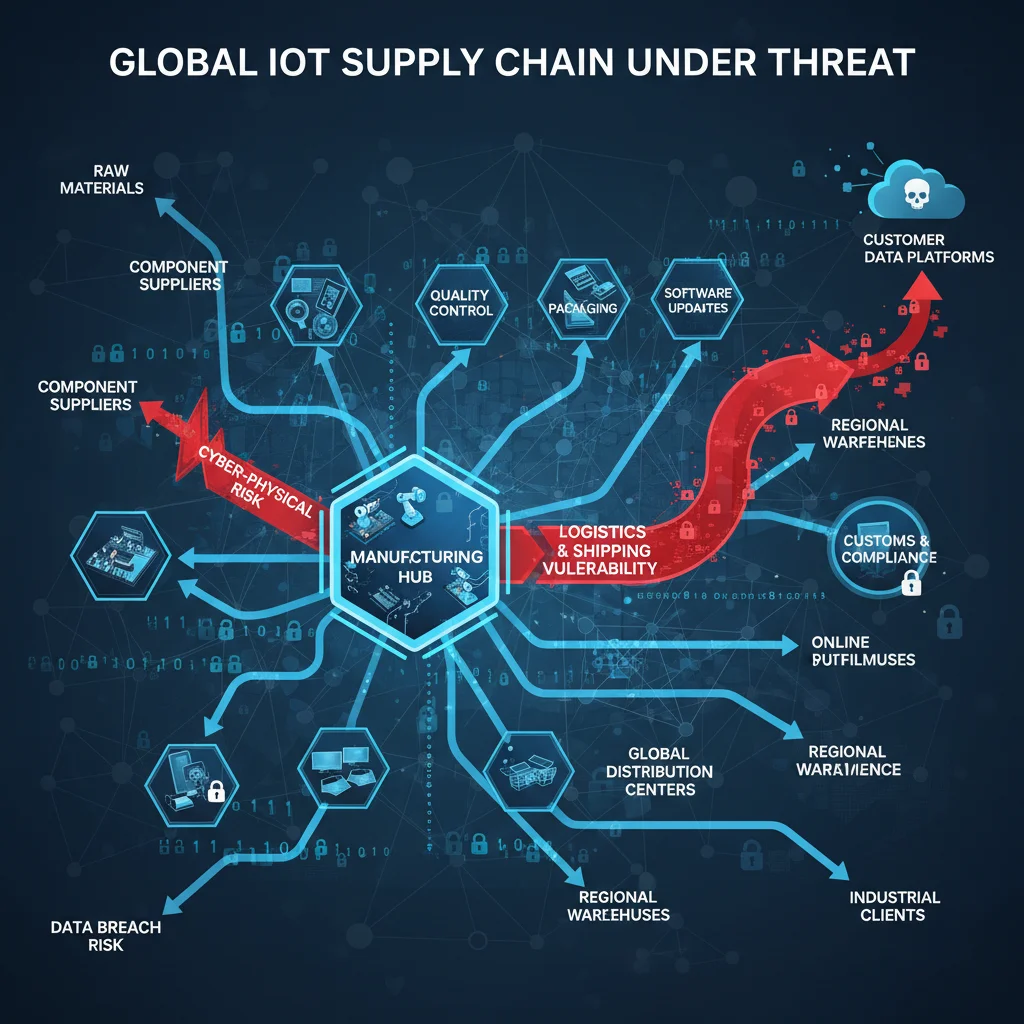
As we approach Q3 next year, one of the most concerning and evolving IoT cybersecurity threats is the rise of sophisticated supply chain attacks. Instead of directly targeting the end-user device, attackers are increasingly focusing on compromising the various stages of a device’s lifecycle, from its design and manufacturing to its distribution and deployment. This means a vulnerability can be injected into the hardware or software long before it ever reaches the consumer or enterprise.
Imagine a scenario where malicious code is embedded into a device’s firmware during manufacturing, or a compromised component is used during assembly. These ‘Trojan horse’ tactics can bypass traditional security measures, as the threat is present from the moment the device is activated. Detecting such deep-seated compromises is incredibly difficult and requires a multi-layered security approach that considers every link in the supply chain.
Data Privacy Breaches and Information Exploitation
Many IoT devices collect vast amounts of personal and sensitive data, ranging from health metrics and location information to behavioral patterns within a smart home. When these devices are compromised, the primary goal of attackers is often not just to control the device itself, but to steal or exploit the data it collects. This makes data privacy breaches a critical component of the overall IoT cybersecurity threats landscape.
The consequences of such breaches can be severe. Stolen personal data can be used for identity theft, blackmail, or sold on the dark web. In an enterprise context, compromised industrial IoT devices could reveal proprietary operational data, intellectual property, or even allow for industrial espionage. The sheer volume and intimate nature of the data collected by IoT devices make them prime targets, and the potential for misuse is significant. Protecting this data requires robust encryption, secure storage, and strict access controls.
Botnet Proliferation and Distributed Denial-of-Service (DDoS) Attacks
The massive number of insecure IoT devices creates an ideal breeding ground for botnets. A botnet is a network of compromised devices, often referred to as ‘zombies,’ that are controlled by a single attacker without the owners’ knowledge. These devices, ranging from smart cameras to routers, can then be orchestrated to launch large-scale cyberattacks, with Distributed Denial-of-Service (DDoS) attacks being among the most common and disruptive.
In a DDoS attack, the botnet floods a target website or service with an overwhelming amount of traffic, causing it to slow down or crash completely. The sheer scale of IoT devices means that botnets can generate enormous amounts of traffic, making them incredibly powerful. The Mirai botnet, for example, famously leveraged insecure IoT devices to launch some of the largest DDoS attacks in history. This threat highlights the collective responsibility of securing individual devices to protect the broader internet infrastructure.
Frequently Asked Questions
What is the biggest risk with IoT devices?
The biggest risk often comes from the combination of widespread deployment and weak default security. Many devices use easily guessable passwords or have unpatched vulnerabilities, making them simple targets for attackers to compromise and exploit.
How can I secure my smart home devices?
To secure smart home devices, always change default passwords, enable two-factor authentication if available, keep firmware updated, use a strong, unique Wi-Fi password, and segment your IoT devices onto a separate network if possible.
Are all IoT devices vulnerable?
While not all IoT devices are equally vulnerable, many have security weaknesses due to design choices, lack of updates, or user negligence. It’s crucial to assume a level of risk and implement security best practices for any connected device.
What is a botnet and why is it dangerous?
A botnet is a network of compromised devices controlled by a cybercriminal. It’s dangerous because these devices can be used in unison to launch powerful attacks, such as overwhelming websites with traffic (DDoS attacks), without the owners’ knowledge.
Should I avoid buying IoT devices due to security concerns?
Avoiding IoT devices entirely isn’t always practical. Instead, focus on purchasing from reputable manufacturers with strong security reputations, and diligently follow all recommended security practices to minimize your risk.
As we’ve explored, the landscape of IoT cybersecurity threats is dynamic and constantly evolving. From the foundational issues of insecure device management and unpatched vulnerabilities to the more sophisticated dangers of supply chain attacks, data privacy breaches, and botnet proliferation, the challenges are significant. By Q3 next year, these threats are expected to intensify, making proactive vigilance more critical than ever.
Protecting our connected world requires a multi-faceted approach. For individuals, this means adopting strong password practices, regularly updating devices, and being mindful of the data collected. For organizations, it involves comprehensive risk assessments, secure development lifecycles, and robust incident response plans that span the entire IoT ecosystem. Staying informed and implementing best practices are your strongest defenses against these pervasive digital dangers. The convenience of IoT is undeniable, but it must be balanced with a steadfast commitment to security to truly harness its benefits safely and responsibly.