AI in Healthcare: Transforming Patient Care by 2030
The future of healthcare is being reshaped by artificial intelligence. This article delves into how AI healthcare transformation will revolutionize patient care by 2030, highlighting 10 pivotal innovations.
Por: Michael Sete em 21 de agosto de 2026
Última atualização em: agosto 24, 2026
The Future of AI in Healthcare: 10 Innovations Expected to Transform Patient Care by 2030
The landscape of medicine is on the cusp of a profound shift, with artificial intelligence (AI) emerging as a pivotal force. The anticipated AI healthcare transformation is set to redefine how we approach patient care, making it more efficient, personalized, and accessible. By 2030, we expect to see AI not just as a supportive tool, but as an integral part of nearly every aspect of the healthcare journey, from early diagnosis to long-term wellness management.
This comprehensive look into the future will explore ten groundbreaking innovations where AI is poised to make the most significant impact. These advancements promise to improve patient outcomes, reduce medical errors, and streamline healthcare operations, ultimately leading to a healthier global population. Understanding these shifts is crucial for healthcare professionals, patients, and innovators alike as we navigate this exciting new era.
Revolutionizing Diagnostics with AI-Powered Precision
One of the most immediate and impactful areas for AI healthcare transformation is in medical diagnostics. AI algorithms can analyze vast amounts of medical data, including imaging scans like X-rays, MRIs, and CTs, with a speed and accuracy that often surpasses human capability. This allows for earlier detection of diseases, even in their nascent stages, which is critical for successful treatment outcomes. For instance, AI can spot subtle anomalies in mammograms or retinal scans that might be missed by the human eye, leading to earlier interventions for cancer or eye conditions.
Beyond image analysis, AI is also proving invaluable in pathology. It can process microscopic slides, identifying cancerous cells or other pathological markers more consistently and quickly than traditional methods. This not only speeds up diagnosis but also helps reduce the workload on pathologists, allowing them to focus on more complex cases. The precision offered by AI in this field means fewer misdiagnoses and more targeted treatment plans from the outset, significantly improving patient prognoses.
Furthermore, AI-driven diagnostic tools are becoming more accessible, making advanced medical analysis available in remote or underserved areas. This democratization of high-quality diagnostics is a major step towards equitable healthcare globally. The ability to quickly and accurately diagnose conditions, regardless of geographical location, represents a fundamental shift in how healthcare is delivered, making timely interventions a reality for many more people.
Personalized Treatment Plans Through AI Analytics
The concept of “one-size-fits-all” medicine is rapidly becoming a relic of the past, thanks to the advancements driven by AI healthcare transformation. AI’s capacity to process and interpret individual patient data, including genetic information, lifestyle factors, and medical history, allows for the creation of highly personalized treatment plans. This level of customization ensures that therapies are tailored to a patient’s unique biological makeup, maximizing effectiveness and minimizing adverse reactions. For example, AI can predict how a patient might respond to a particular drug based on their genetic profile, guiding doctors to choose the most suitable medication and dosage.
AI algorithms can also continuously monitor a patient’s response to treatment in real-time, adjusting plans as needed. This dynamic approach to care means that patients receive the most effective treatment at every stage of their illness. It moves beyond reactive medicine to a proactive model, where interventions are made based on predictive analytics rather than just current symptoms. This not only improves the efficacy of treatments but also enhances patient safety by flagging potential issues before they become critical.
Key Aspects of AI-Driven Personalization
Genomic Medicine: AI analyzes vast genomic datasets to identify predispositions to diseases and recommend gene-specific therapies.
Drug Discovery Optimization: AI accelerates the identification of new drug compounds and predicts their efficacy and side effects for specific patient groups.
Lifestyle Interventions: AI can suggest personalized dietary and exercise plans based on individual health data and risk factors.
Chronic Disease Management: AI monitors vital signs and adherence to medication, providing timely alerts and interventions to prevent complications.
The goal is to empower clinicians with insights that lead to better decision-making, ultimately leading to more successful and patient-centric healthcare outcomes. This tailored approach promises a future where every patient receives care perfectly suited to their individual needs.
Enhancing Surgical Precision with Robotic Assistance
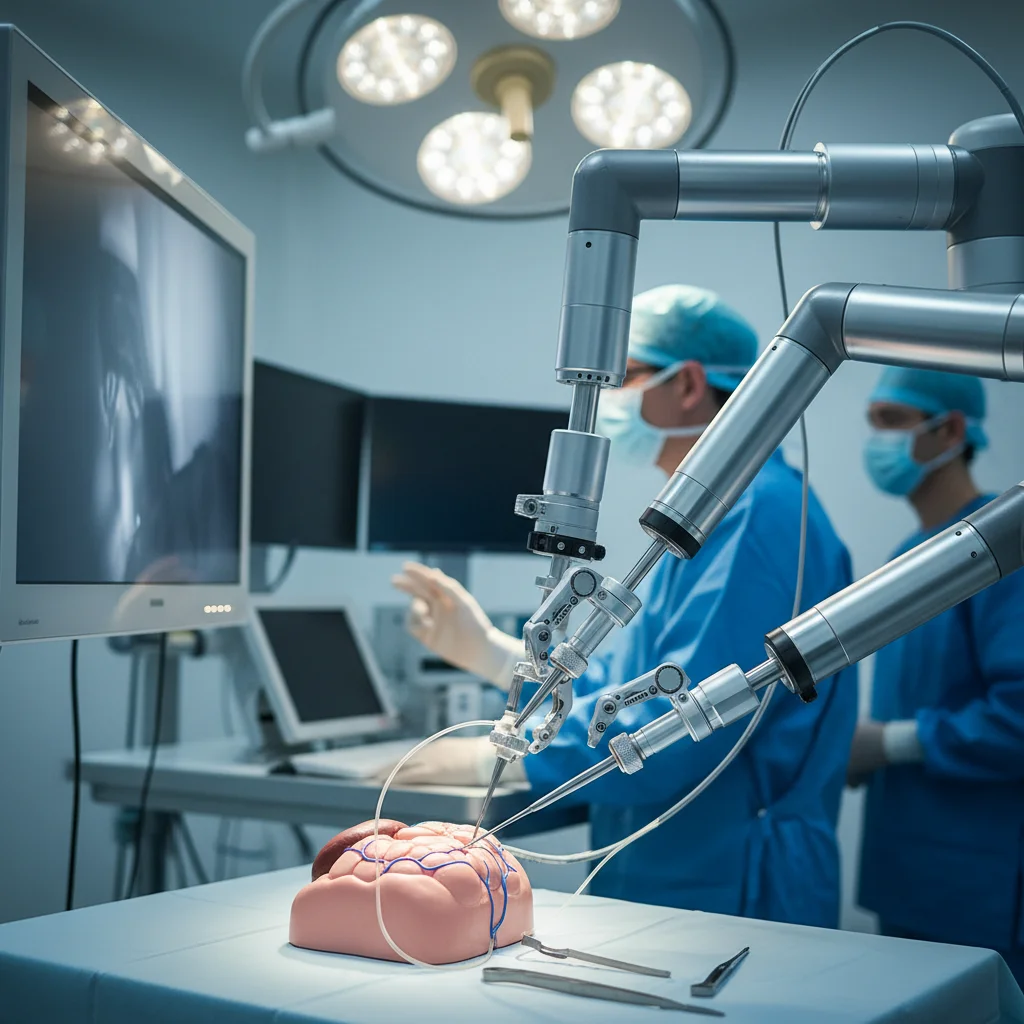
Surgical procedures are inherently complex and demand extreme precision. The integration of AI into robotic surgical systems is ushering in an era of unprecedented accuracy and control in the operating room. These AI-powered robots are not replacing surgeons but rather augmenting their capabilities, allowing for minimally invasive procedures with greater dexterity and stability than human hands alone can provide. This leads to smaller incisions, reduced blood loss, faster recovery times, and fewer post-operative complications for patients.
AI algorithms help guide robotic arms during surgery by analyzing real-time data from imaging and sensors. They can identify critical anatomical structures, warn surgeons of potential risks, and even perform repetitive or highly delicate tasks with unwavering consistency. For example, in neurosurgery or ophthalmology, where margins for error are minuscule, robotic assistance powered by AI can make the difference between a successful outcome and significant complications. The continuous learning capabilities of these AI systems mean they improve with every procedure, refining their precision over time.
Beyond the operating table, AI also plays a role in pre-operative planning. It can create highly detailed 3D models of a patient’s anatomy, allowing surgeons to rehearse complex procedures virtually before making the first incision. This preparation reduces surprises during surgery and allows for more efficient and safer operations. The combination of AI in planning and execution is fundamentally transforming surgical care, making it safer and more effective for patients across a wide range of medical specialties.
Streamlining Hospital Operations and Administration
The administrative burden in healthcare is enormous, often diverting valuable resources and personnel from direct patient care. AI healthcare transformation offers powerful solutions to streamline hospital operations and administration, leading to greater efficiency and cost savings. AI systems can manage patient scheduling, optimize resource allocation, and automate routine tasks, freeing up staff to focus on more critical responsibilities. For instance, AI can predict patient no-shows, allowing hospitals to overbook appointments slightly to reduce wasted time slots, or reallocate staff based on anticipated patient flow.
Inventory management is another area where AI excels. Hospitals maintain vast inventories of medications, supplies, and equipment. AI algorithms can track usage patterns, predict demand, and automate ordering, ensuring that necessary items are always in stock while minimizing waste and spoilage. This optimization not only reduces operational costs but also ensures that medical professionals have immediate access to the tools they need, preventing delays in patient care.
AI Applications in Hospital Management
Predictive Staffing: AI forecasts patient admissions and discharges to optimize nursing and physician schedules.
Resource Allocation: AI helps manage operating room schedules, bed assignments, and equipment availability more efficiently.
Fraud Detection: AI identifies suspicious billing patterns and claims, reducing healthcare fraud and abuse.
Revenue Cycle Management: AI automates coding, billing, and claims processing, improving financial efficiency.
By automating these complex processes, AI allows healthcare organizations to operate more smoothly and cost-effectively. This efficiency ultimately translates into better patient experiences, as staff can dedicate more time and attention to providing quality care rather than administrative tasks.
Empowering Patients with AI-Driven Health Management
AI healthcare transformation is not just about improving clinical care; it’s also about empowering individuals to take a more active role in managing their own health. AI-driven health management tools, often delivered through mobile apps and wearable devices, provide personalized insights and guidance, making health information more accessible and actionable. These tools can track vital signs, monitor activity levels, analyze sleep patterns, and even offer dietary recommendations, all tailored to the individual’s unique health profile and goals.
For patients with chronic conditions, AI-powered remote monitoring systems are particularly revolutionary. These systems can continuously collect data, detect deviations from normal parameters, and alert both the patient and their healthcare provider to potential issues before they escalate. This proactive approach helps prevent hospitalizations and allows for timely interventions, giving patients greater control over their health while providing peace of mind. Imagine an AI assistant reminding you to take your medication, suggesting exercises appropriate for your condition, or even analyzing your food intake for nutritional balance.
Moreover, AI-driven chatbots and virtual assistants are becoming increasingly sophisticated, offering patients reliable information about symptoms, medication, and general health inquiries. While not a substitute for professional medical advice, these tools can help answer common questions, guide patients to appropriate resources, and even assist with mental health support through cognitive behavioral therapy exercises. This empowerment fosters greater health literacy and enables individuals to make more informed decisions about their well-being, leading to healthier communities overall.
Frequently Asked Questions
How will AI impact the doctor-patient relationship?
AI is expected to enhance the doctor-patient relationship by freeing up physicians from administrative tasks and providing them with more comprehensive data, allowing for more focused and empathetic interactions. Doctors can spend more time discussing personalized treatment options and building rapport with patients.
Is AI in healthcare safe and secure?
Ensuring the safety and security of AI in healthcare is a top priority. Robust regulatory frameworks, data encryption, and strict privacy protocols are being developed to protect patient information and ensure the ethical use of AI technologies in medical settings.
Will AI replace healthcare professionals?
No, AI is not expected to replace healthcare professionals. Instead, it will serve as a powerful assistant, augmenting human capabilities in diagnosis, treatment planning, and operational efficiency. Human oversight and judgment will remain crucial in all aspects of patient care.
How quickly will these AI innovations be adopted?
The adoption rate will vary depending on the specific innovation, regulatory approvals, and infrastructure availability. However, many AI applications are already in pilot phases or limited use, with widespread integration anticipated by 2030, driven by their proven benefits.
What are the main ethical concerns surrounding AI in healthcare?
Key ethical concerns include data privacy, algorithmic bias, accountability for AI-driven decisions, and equitable access to AI technologies. Ongoing efforts are focused on developing ethical guidelines and regulations to address these challenges responsibly.
The journey towards an AI-integrated healthcare system is not just a technological evolution; it’s a paradigm shift promising a healthier future for all. The ten innovations discussed, ranging from enhanced diagnostics and personalized treatments to robotic surgery and streamlined operations, underscore the profound impact of AI healthcare transformation. By 2030, artificial intelligence will be deeply embedded in the fabric of medical practice, making care more precise, efficient, and accessible than ever before. This revolutionary change is set to empower both healthcare providers and patients, fostering a collaborative environment where data-driven insights lead to superior health outcomes.
While challenges such as ethical considerations and data security remain, the relentless pace of innovation and the collective effort of researchers, clinicians, and policymakers are paving the way for responsible and effective AI integration. Embracing these advancements will not only alleviate the burdens on healthcare systems but also unlock new possibilities for disease prevention, treatment, and overall well-being. The future of healthcare is intelligent, and it is arriving sooner than we think, promising a new era of medical excellence and patient empowerment.