5G Evolution: What New Mobile Chipsets Mean for You
Dive into the world of 5G mobile chipsets and discover how these advancements are shaping the future of your smartphones and connected devices. Learn about the benefits of enhanced speed, efficiency, and new features.
By: Michael Sete on agosto 14, 2026
The world of mobile technology is always moving forward, and one of the biggest drivers of this change is the evolution of 5G. As 5G networks become more widespread, the brains behind our devices – the mobile chipsets – are also getting a significant upgrade. Understanding 5G mobile chipsets is key to knowing what your next smartphone or connected gadget will be capable of.
These tiny powerhouses are not just about faster internet; they are reshaping how our devices connect, process information, and interact with the world around us. From enhanced battery life to supporting cutting-edge applications, the latest 5G chipsets are bringing a wave of innovation that will soon be in the palm of your hand.
The Core of Connectivity: What Are Mobile Chipsets?
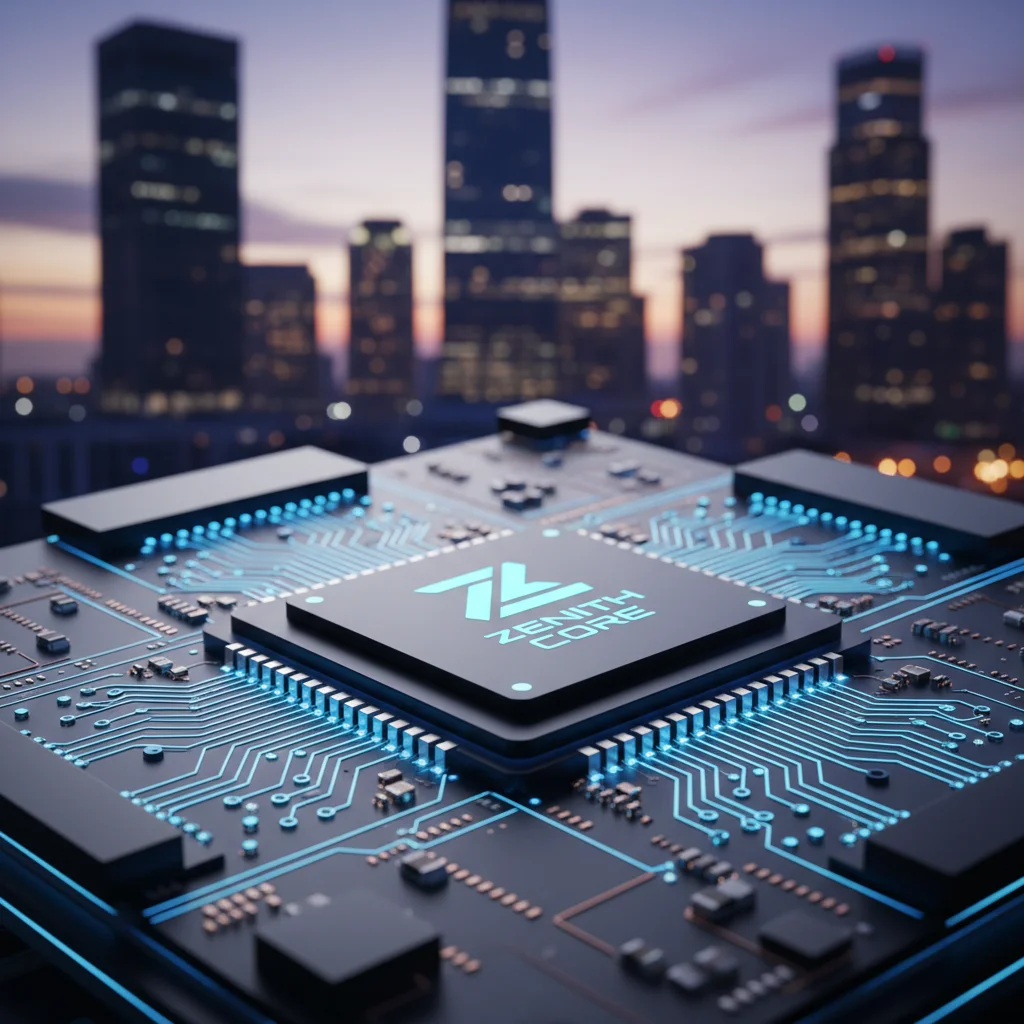
At the heart of every smartphone, tablet, and many other smart devices lies a mobile chipset, often referred to as a System-on-a-Chip (SoC). Think of it as the device’s brain and nervous system all rolled into one tiny package. This single component integrates the central processing unit (CPU) for general tasks, the graphics processing unit (GPU) for visuals, memory controllers, and crucially, the modem for network connectivity. For 5G devices, the modem is particularly important as it dictates how well your device can connect to and utilize the new generation of cellular networks. Without a capable chipset, a device cannot fully harness the potential of 5G.
The quality and capabilities of a mobile chipset directly influence everything from how fast apps open, to the smoothness of gaming, and how long your battery lasts. It’s not just about raw power; it’s about efficiency and integration. Modern chipsets are designed to manage complex tasks like artificial intelligence (AI) processing and advanced camera features, all while trying to conserve power. As 5G demands more from our devices, chipmakers are constantly innovating to pack more performance into smaller, more power-efficient designs.
Unpacking the Speed: How 5G Chipsets Boost Performance
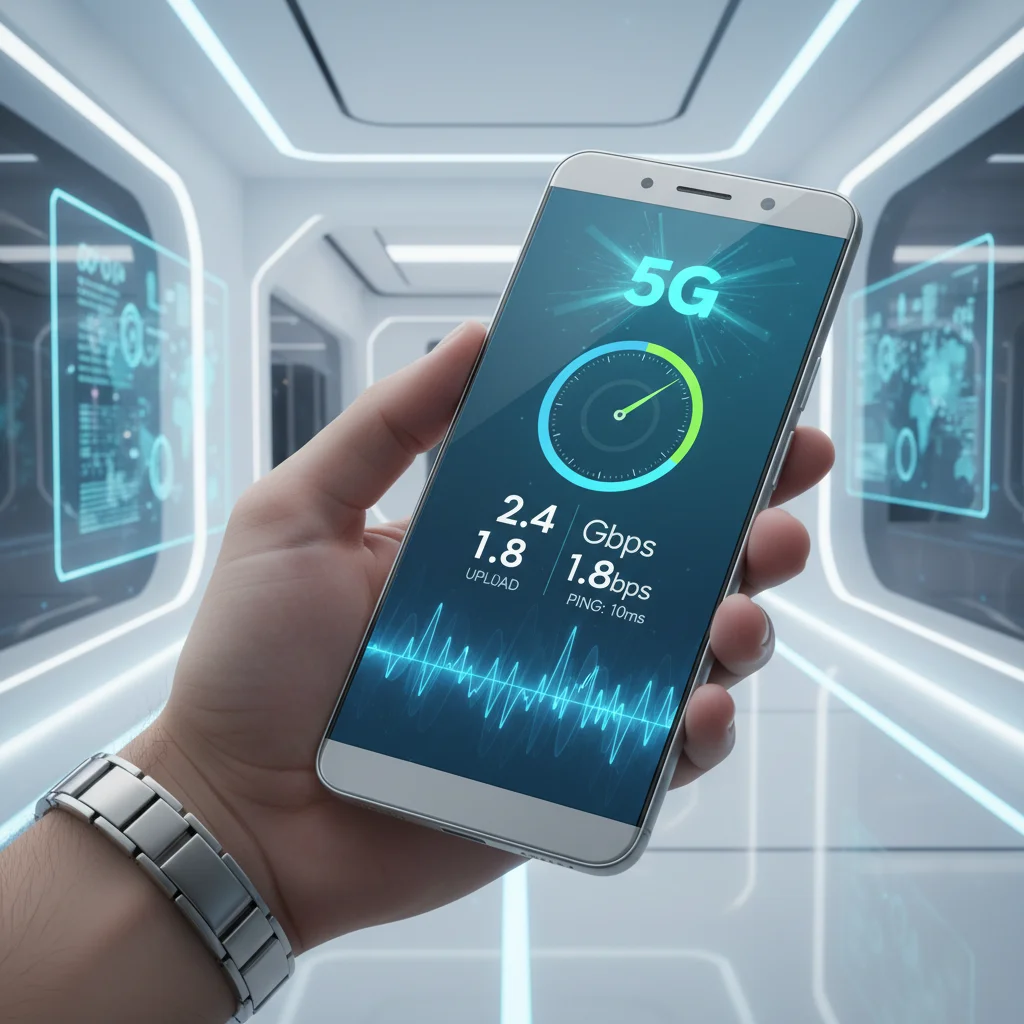
One of the most talked-about benefits of 5G is its incredible speed, and new 5G mobile chipsets are engineered specifically to deliver on this promise. These chipsets incorporate advanced modems that can handle much higher data rates than previous generations. This means faster downloads, smoother streaming of high-resolution content, and virtually no lag when you’re browsing or gaming online. The improved speed isn’t just about raw megabits per second; it’s also about lower latency, which is the delay between sending and receiving data.
Lower latency opens doors for real-time applications that were previously impractical. Think about instant cloud gaming with console-quality graphics, or augmented reality (AR) experiences that feel truly immersive because the virtual elements respond instantly to your movements. These chipsets are designed to intelligently switch between different 5G frequencies, including millimeter-wave (mmWave) for super-fast speeds in dense areas and sub-6 GHz for broader coverage, ensuring you get the best possible connection wherever you are. This dynamic capability is a cornerstone of modern 5G performance.
Beyond Speed: Efficiency and Battery Life Improvements
While speed often gets the spotlight, the efficiency gains in new 5G mobile chipsets are equally, if not more, important for daily use. Running powerful 5G connections can be demanding on a device’s battery. However, chip manufacturers have made significant strides in optimizing power consumption. Modern 5G chipsets are built using smaller manufacturing processes, measured in nanometers, which allows more transistors to be packed into a smaller space, leading to greater efficiency and less heat generation.
These chipsets also feature intelligent power management systems. They can dynamically adjust power usage based on the task at hand, ensuring that the modem and other components only draw as much power as needed. For example, they can quickly switch to lower power states when the device is idle or performing less demanding tasks. This means that despite handling more complex data and faster speeds, many new 5G-enabled devices can actually offer comparable or even improved battery life compared to their 4G predecessors, making the 5G experience practical for everyday use.
The AI and ML Revolution within 5G Mobile Chipsets
The latest generation of 5G mobile chipsets isn’t just about connectivity; they are also powerful engines for artificial intelligence (AI) and machine learning (ML). Many modern chipsets now include dedicated AI accelerators, often called Neural Processing Units (NPUs). These specialized cores are designed to handle AI tasks much more efficiently than general-purpose CPUs or GPUs. This integration means that many AI-driven features can now run directly on your device, rather than relying on cloud servers.
What does this mean for you? It translates into smarter cameras that can instantly recognize scenes and optimize settings, more accurate voice assistants that respond faster, and personalized experiences that adapt to your usage patterns. On-device AI also enhances security by processing sensitive data locally. This trend is only growing, with each new chipset generation bringing more sophisticated AI capabilities, making our devices not just faster, but also significantly smarter and more intuitive in how they interact with users and their surroundings.
Future-Proofing Your Device: What to Look For
When considering your next device, understanding the advancements in 5G mobile chipsets can help you make an informed decision. Look for devices that feature the latest generation of chipsets from reputable manufacturers. These newer chips are designed not just for current 5G standards but also for future evolutions of the network, ensuring your device remains relevant and performs optimally for years to come. A device with a cutting-edge chipset will better support upcoming features, whether it’s enhanced AR applications, advanced gaming, or more sophisticated AI functionalities.
Key Chipset Features to Consider
Modem Capabilities: Ensure it supports both sub-6 GHz and mmWave for comprehensive 5G coverage.
AI/ML Performance: Look for dedicated NPUs for advanced on-device intelligence.
Integrated Security: Modern chipsets often include hardware-level security features to protect your data.
Investing in a device with a robust and future-ready 5G chipset means you’re getting more than just a phone; you’re getting a powerful, intelligent, and long-lasting companion ready for the next wave of mobile innovation. It’s about ensuring your device can keep up with the ever-accelerating pace of technological progress without feeling outdated too quickly.
Frequently Asked Questions
What is the main difference between 4G and 5G chipsets?
The primary difference lies in their modem capabilities and overall processing power. 5G chipsets feature modems designed for much higher bandwidth, lower latency, and support for new frequency bands like mmWave, enabling significantly faster speeds and more robust connections than 4G chipsets.
Do all 5G phones have the same chipset?
No, many different manufacturers produce 5G chipsets, such as Qualcomm, MediaTek, Samsung, and Apple. Each company offers various tiers of chipsets with different performance levels, features, and price points, leading to a wide range of capabilities across 5G phones.
How do 5G chipsets improve battery life?
5G chipsets improve battery life through advanced manufacturing processes (smaller nodes), leading to greater power efficiency. They also incorporate intelligent power management units that optimize energy consumption by dynamically adjusting power based on network conditions and device usage, ensuring efficient operation.
Can I upgrade my old phone’s chipset to 5G?
Unfortunately, no. The chipset is an integrated component soldered onto the device’s motherboard and cannot be upgraded or replaced. To experience 5G connectivity and its associated benefits, you would need to purchase a new device that is specifically designed with a 5G-capable chipset.
What role does AI play in new 5G chipsets?
AI plays a crucial role by enabling on-device intelligence. Dedicated AI accelerators (NPUs) within 5G chipsets enhance camera processing, improve voice recognition, optimize performance, and personalize user experiences without constant cloud communication, making devices smarter and more efficient.
The rapid evolution of 5G mobile chipsets is more than just a technical upgrade; it’s a fundamental shift in what our mobile devices can achieve. These tiny marvels are bringing us unprecedented speeds, but their impact extends far beyond just faster downloads. We’re seeing significant improvements in power efficiency, leading to better battery life, and the integration of powerful AI capabilities that make our devices smarter, more intuitive, and more personalized.
As you look towards your next smartphone or connected gadget, understanding the role of these advanced chipsets will empower you to make choices that truly future-proof your digital life. A device equipped with a state-of-the-art 5G chipset isn’t just keeping up with the present; it’s ready for the innovations of tomorrow, from immersive augmented reality to seamless IoT ecosystems. Embrace the future of connectivity and intelligence by choosing devices that are powered by the best in 5G mobile chipset technology.