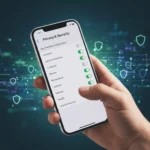
Boost Mobile Security: 5 Features for 90% Data Protection
Protecting your digital life starts with robust mobile security. This article details 5 crucial mobile security features you should activate now to significantly improve data protection and safeguard your personal information from potential threats.
By: Michael Sete on agosto 14, 2026
In our increasingly connected world, our smartphones have become central to our lives, holding a vast amount of personal and sensitive information. Ensuring robust mobile security features is no longer optional; it’s a critical necessity to achieve 90% better data protection. Without proper safeguards, your device can become a vulnerable target for cybercriminals, leading to identity theft, financial fraud, and privacy breaches.
Many users overlook simple yet powerful security settings that can significantly enhance their digital defense. Activating these features can create a formidable barrier against unauthorized access and malicious attacks. This article will guide you through five essential mobile security features you must enable today to protect your valuable data and maintain peace of mind.
Biometric Authentication: Your Personal Digital Lock
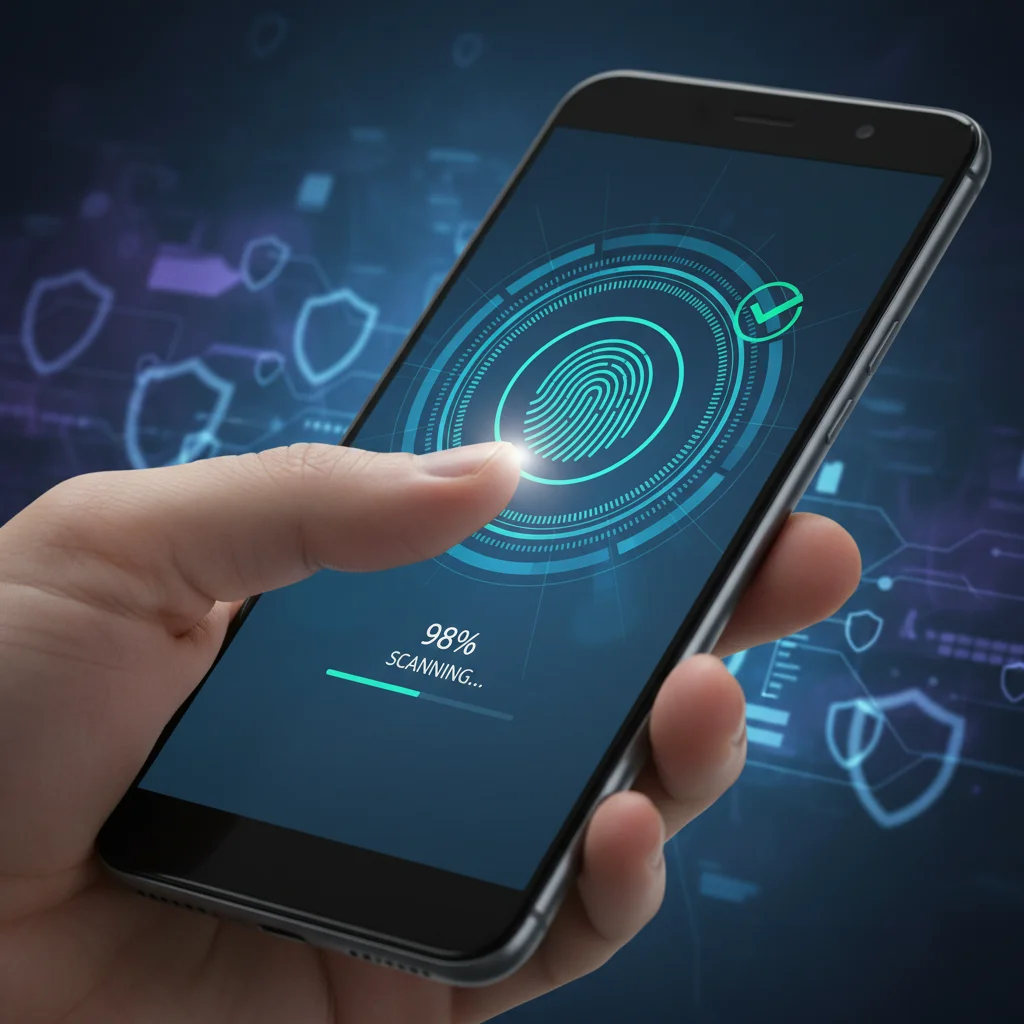
Biometric authentication is one of the most effective mobile security features available, offering a highly personalized and secure way to unlock your device and authorize sensitive actions. Instead of relying solely on passwords or PINs, which can be forgotten or compromised, biometrics use unique physical characteristics like your fingerprint or face. This method provides a much stronger layer of defense against unauthorized access, making it incredibly difficult for someone else to unlock your phone.
Most modern smartphones come equipped with advanced biometric scanners that are both fast and reliable. Enabling this feature typically involves a quick setup process in your phone’s security settings. Once activated, you’ll find it not only more secure but also more convenient than repeatedly typing in a passcode. It’s a fundamental step in securing your device from casual snooping or theft.
Two-Factor Authentication (2FA): Double Your Protection
Beyond just unlocking your phone, protecting your accounts is paramount. Two-Factor Authentication (2FA) adds a crucial second layer of security to your online accounts, making it significantly harder for attackers to gain access, even if they manage to steal your password. This feature requires you to provide two different forms of verification before logging in. Typically, this involves something you know (like your password) and something you have (like your phone or a hardware token).
Activating 2FA on your critical accounts, such as email, banking, and social media, is a non-negotiable step for enhanced mobile security. Common 2FA methods include receiving a one-time code via SMS, using an authenticator app, or employing a physical security key. This simple addition dramatically reduces the risk of account compromise, ensuring that even if your password falls into the wrong hands, your data remains secure.
App Permissions Management: Control Your Data Access
Many apps request extensive permissions to access various parts of your phone, from your camera and microphone to your location and contacts. While some permissions are necessary for an app to function correctly, many are not. Properly managing app permissions is a vital mobile security feature that gives you control over what data each app can access. Overly permissive apps can inadvertently expose your personal information or even be exploited by malicious actors.
Regularly reviewing and adjusting app permissions can prevent apps from collecting unnecessary data or performing actions without your knowledge. Take the time to go through each app’s settings and revoke permissions that don’t seem essential for its core functionality. This proactive approach helps minimize your digital footprint and significantly reduces the risk of privacy breaches, keeping your sensitive information under your control.
Remote Wipe and Device Tracking: Your Last Line of Defense
Losing your phone can be a nightmare, not just for the cost of replacement, but for the sensitive data it contains. Remote wipe and device tracking capabilities are indispensable mobile security features that offer a critical last line of defense in such situations. These tools allow you to locate your device if it’s lost or stolen, and more importantly, to erase all personal data remotely if recovery isn’t possible. This prevents your information from falling into the wrong hands.
Activating these features, often found under services like ‘Find My Device’ for Android or ‘Find My’ for iOS, is straightforward and provides immense peace of mind. While you hope never to use them, having them enabled means you can protect your privacy and prevent identity theft even if your physical device is compromised. It’s a proactive measure that safeguards your digital life, regardless of your phone’s physical location.
Secure Wi-Fi and VPN Usage: Protecting Your Connection
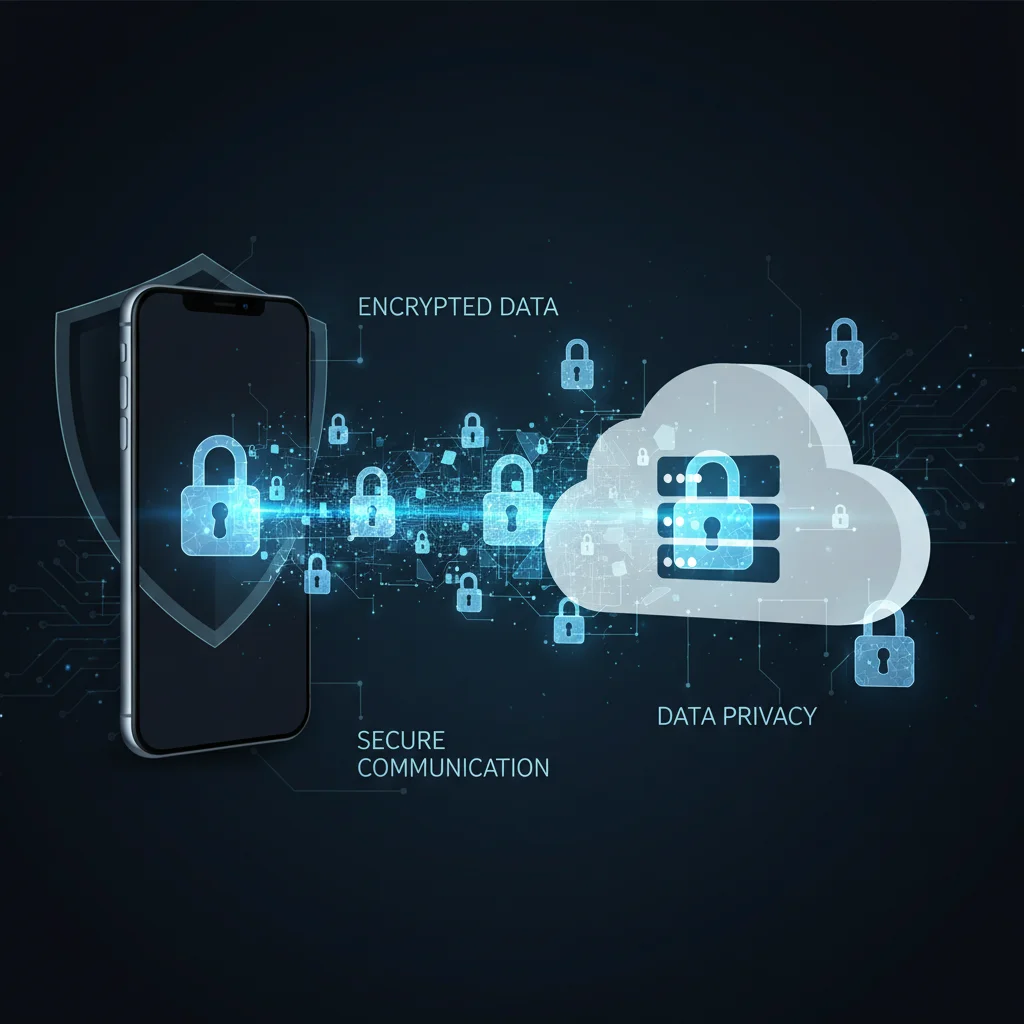
Public Wi-Fi networks, while convenient, are often unsecured and can be a significant mobile security risk. Without proper precautions, your data can be easily intercepted by cybercriminals on the same network. Utilizing secure Wi-Fi practices and a Virtual Private Network (VPN) are essential mobile security features to protect your internet connection. A VPN encrypts your internet traffic, creating a secure tunnel between your device and the internet, making it unreadable to anyone trying to snoop on your activity.
Why Use a VPN?
Data Encryption: Encrypts all your internet traffic, protecting it from eavesdroppers.
IP Address Masking: Hides your real IP address, enhancing your anonymity online.
Secure Public Wi-Fi: Makes public Wi-Fi networks safe to use by securing your connection.
Bypassing Geo-restrictions: Allows access to content that might be restricted in your region.
Always connect to trusted Wi-Fi networks and enable a reputable VPN whenever you’re using public Wi-Fi or accessing sensitive information. This ensures your online activities remain private and your data secure from potential threats.
Frequently Asked Questions
Q: How often should I review my app permissions?
A: It’s a good practice to review app permissions whenever you install a new app and periodically, perhaps once every few months, for existing apps. This ensures that no app has more access than it truly needs, maintaining your mobile security.
Q: Is biometric authentication truly foolproof?
A: While highly secure, no security measure is 100% foolproof. However, biometric authentication significantly increases the difficulty for unauthorized access compared to traditional PINs or patterns, making it a robust mobile security feature.
Q: What should I do immediately if my phone is stolen?
A: Immediately activate your remote wipe feature to erase your data and then report the theft to your service provider and local law enforcement. Changing passwords for critical accounts is also a crucial next step.
Q: Are all VPNs equally secure?
A: No, the security of VPNs can vary widely. It’s important to choose a reputable VPN provider with a strong no-logs policy and robust encryption standards to ensure your mobile security.
Q: Can these features protect me from all types of cyber threats?
A: While these features provide significant protection against many common threats, they are part of a comprehensive security strategy. Staying vigilant about phishing attempts, using strong unique passwords, and keeping your software updated are also vital for overall mobile security.
In an age where our mobile devices are repositories of our digital lives, overlooking fundamental mobile security features is a risk no one should take. By activating biometric authentication, enabling two-factor authentication, carefully managing app permissions, setting up remote wipe capabilities, and using secure Wi-Fi with a VPN, you are taking concrete steps to fortify your digital defenses. These five essential features are not just technical configurations; they are critical safeguards that collectively elevate your data protection by a significant margin. Implementing these practices today will provide you with greater peace of mind, knowing that your personal information is shielded from the ever-present threats in the cyber landscape. Don’t wait for a breach to act; empower yourself with these tools and make mobile security a priority.